
Last updated August 26, 2026
Free on-site gate assessment - hinges, posts, and your LiftMaster or Nice gate operator checked before anything is quoted
The assessment is free and the quote is the invoice.
 Before
 After
After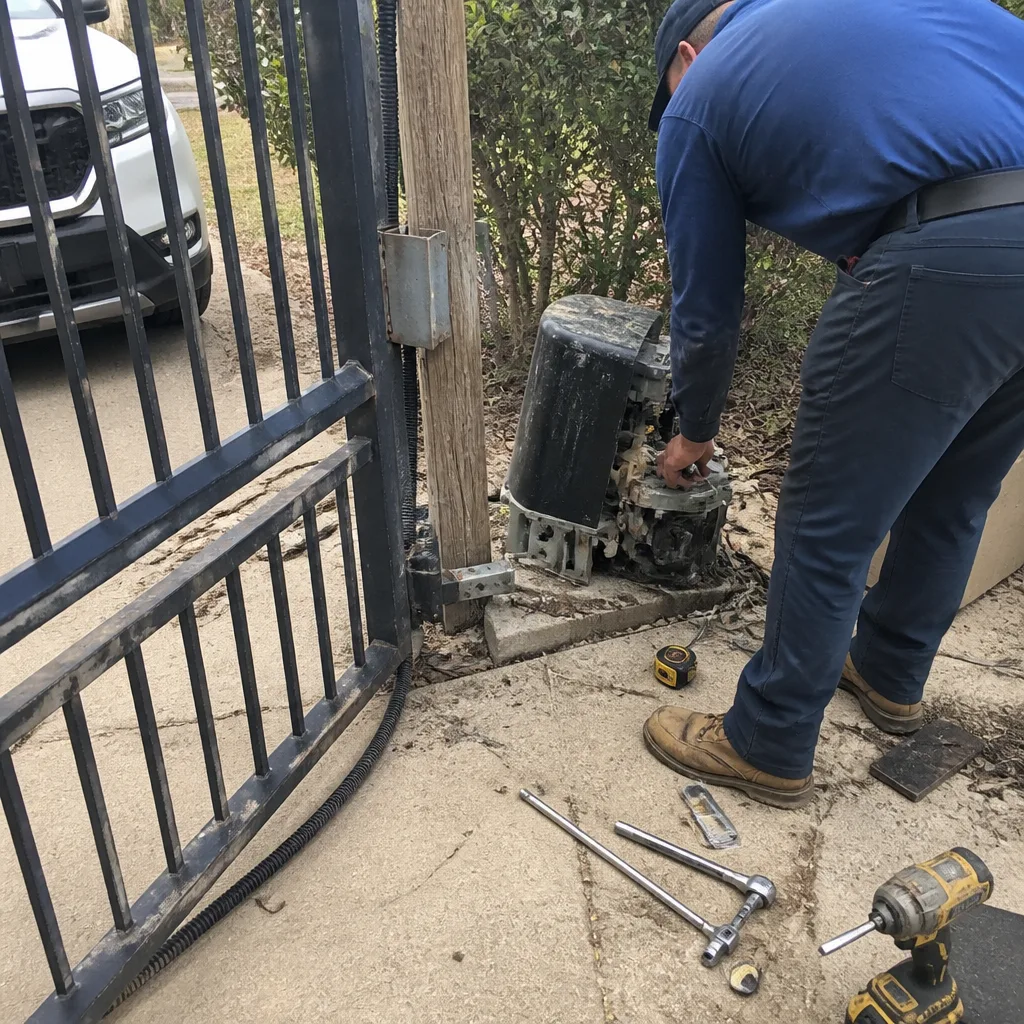 Before
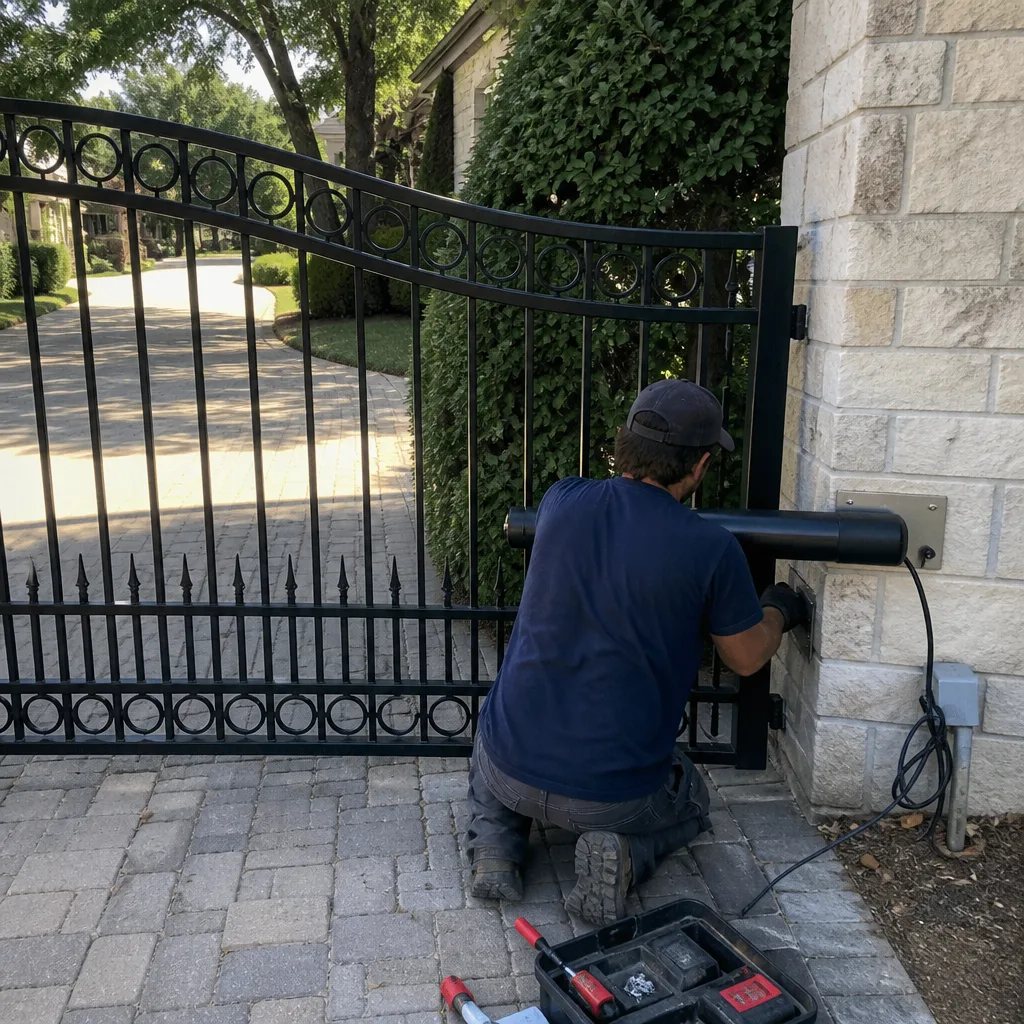 After
After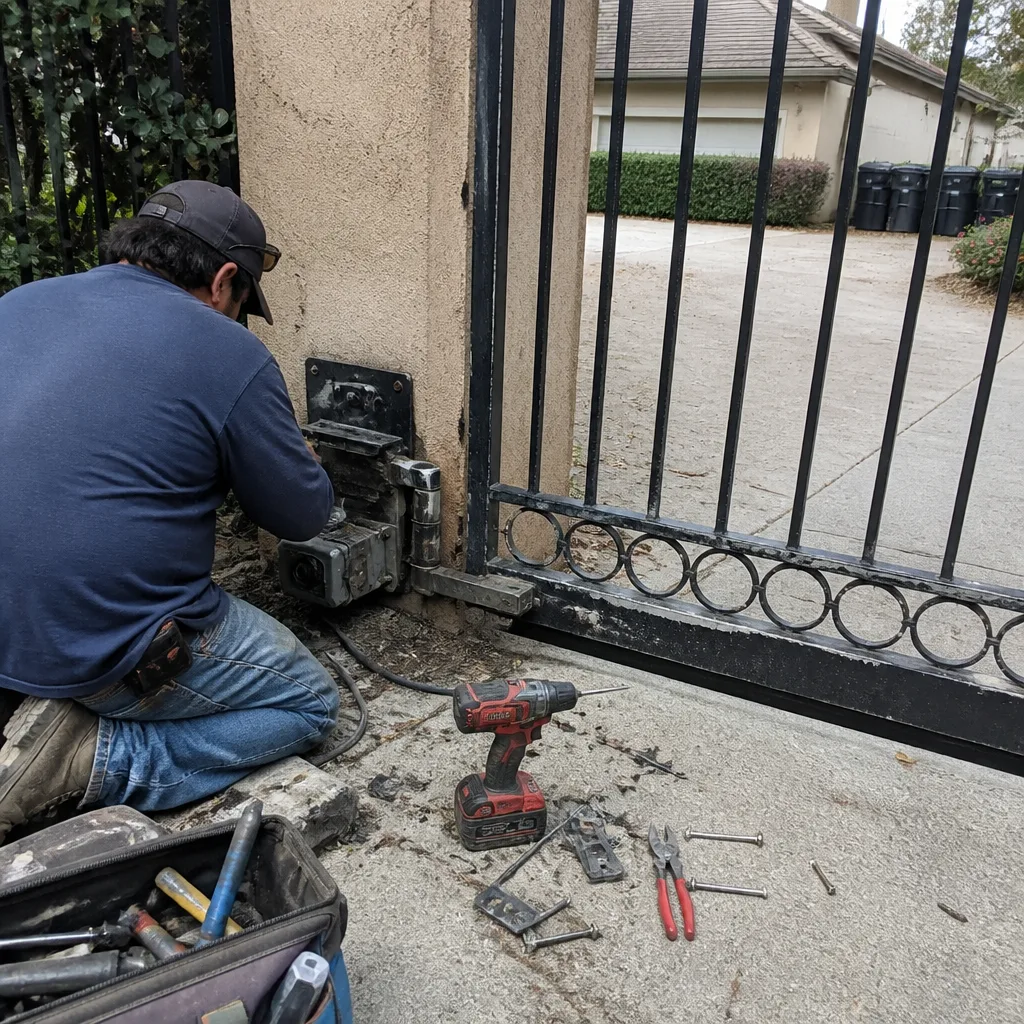 Before
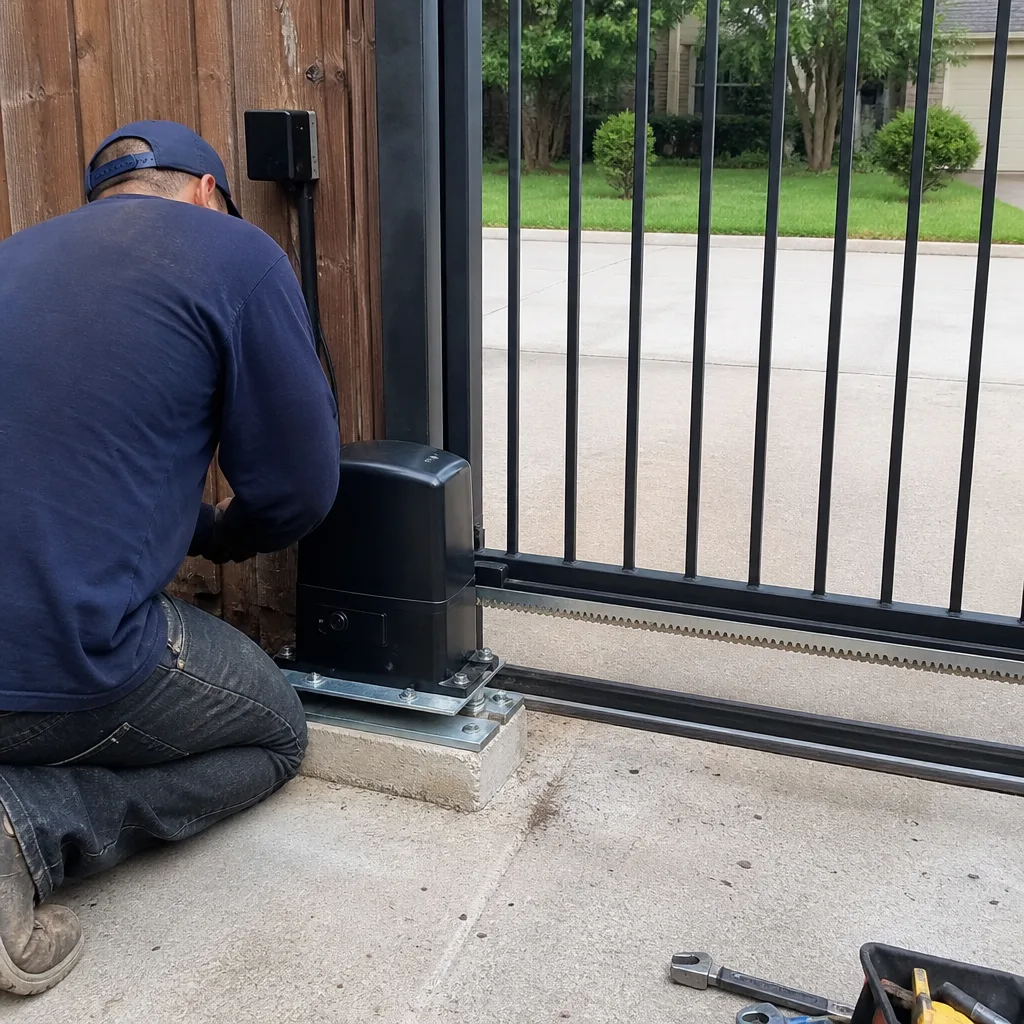 After
AfterSeasonal Gate Repair Care for Fort Worth: Year-Round Homeowner’s Guide
February ice storms and August heat indexes above 110°F are not edge cases in Fort Worth, they’re the calendar. Your gate takes both hits every single year, and most of the damage doesn’t announce itself until the gate stops latching, the opener burns out, or a post leans far enough to drag the panel. This guide walks through what actually happens to gates in North Texas across all four seasons, what to check before each one arrives, and which problems you can catch early enough to avoid a repair bill you didn’t plan on. If you’ve lived in Fort Worth through even one full year, you already know the weather doesn’t play fair. Your gate doesn’t need a generic maintenance schedule from a national website. It needs a plan built around the soil, storms, and heat we actually get here.
Quick Answer
Seasonal gate care in Fort Worth means preparing for heat that warps panels and cooks opener circuit boards in summer, freeze-thaw cycles that stress welds and hinges in winter, thunderstorms that bring power surges and flying debris in spring, and clay soil that shifts posts every fall when the rains return. The homeowners who avoid the biggest repair costs are the ones who walk their gate line four times a year, tighten what’s loose, lubricate what moves, and check the operator after every storm. Most seasonal gate failures are slow-moving, not sudden, and they start weeks before the gate actually stops working.
Table of Contents
- Summer Heat: The Season Nobody Prepares For
- Ice and Freeze Prep for North Texas Gates
- Post-Storm Inspection After a Fort Worth Thunderstorm
- Fall Soil Movement: The Blackland Prairie Clay Problem
- The One Winter Task Most Homeowners Skip
- Spring: The Season to Rebuild, Not Just Repair
- Common Mistakes to Avoid
- When to Call a Professional
- Frequently Asked Questions
If you’re dealing with an active problem right now, our Gate Repair in Fort Worth page covers same-day and emergency service. This guide is the long view: the maintenance rhythm that keeps a gate working for decades instead of surprising you every eighteen months.
Summer Heat: The Season Nobody Prepares For
Fort Worth summers don’t just test your air conditioner. They test every moving part on your gate, and they test it for months at a stretch. We see more opener failures in July and August than in any other two-month window of the year, and most of them share the same root cause: heat buildup inside a metal operator housing that was never designed for sustained 100°F-plus days. The housing on a LiftMaster or Viking opener sits in direct sun for hours at a stretch. The air inside gets hot enough to soften solder joints and degrade capacitors. A gate that opened fine in May quits in August, and the homeowner assumes something sudden happened. What actually happened is the summer filed the bill slowly.
The pre-summer checklist that matters in North Texas starts with the operator itself.
- Check the operator housing temperature on a hot afternoon. If it’s too hot to hold your hand against for more than a few seconds, it needs shade, ventilation, or both. We’ve added vent kits and shade hoods to more operators than we can count.
- Inspect the panel itself for warp. Wood gates in Fort Worth absorb moisture in spring, then dry hard in July. That’s when you see panels bow or split, especially on west-facing gates that catch the late afternoon sun.
- Look at the gap between gate and frame at the latch. Heat expands metal, and that expansion tightens tolerances. If the gate barely clears the frame in June, it may bind by August.
- Run the opener through a full open-close cycle while you watch and listen. A motor that’s straining sounds different from one that’s running easy. If you hear a labored hum or the gate pauses mid-cycle, that’s a problem you want addressed before the heat peaks.
- Reapply paint or sealant to any bare wood or scratched metal. UV in Fort Worth degrades unprotected surfaces fast. A $40 gallon of sealant in June saves a panel replacement in September.
Heat also affects hydraulic operators differently than electromechanical ones. If you have a Linear or DoorKing hydraulic unit, watch for leaks at the hose fittings when temperatures climb. The heat thins the fluid, and a tiny weep turns into a puddle fast. Catch it in May and it’s a fitting. Catch it in August and it’s a full service call.
If your opener has already quit in the heat, the Gate Motor & Opener in Fort Worth page covers what we do about it, including the brands we service.
Ice and Freeze Prep for North Texas Gates
What matters most about ice in Fort Worth isn’t snow load. It’s freeze-thaw cycling. We don’t get a solid freeze that holds for months. We get nights in the 20s followed by afternoons in the 40s, over and over, for weeks. Water finds its way into the smallest gaps in welds, hinge barrels, and tube ends. It freezes and expands. It thaws. It freezes again. Each cycle works like a tiny hydraulic jack, and after enough cycles, you get a crack that wasn’t there in December.
The North Texas freeze prep list is short and specific:
- Walk the gate and inspect every weld. We’re talking a close look, not a glance from the driveway. Hairline cracks at post brackets, at the hinge plates, and at any point where two tubes meet deserve attention before the first hard freeze.
- Check hinge play. Grab the gate mid-panel and lift. Any movement at the hinge means the bushing or pin is wearing. A hinge that’s already loose in November will be sloppy in February, and sloppy hinges put load on parts that weren’t built for it.
- Drain low points. If you have a tube-frame gate, check for drain holes at the bottom of vertical members. If they’re plugged with dirt or paint, clear them. Trapped water freezes and splits tube from the inside, and that’s a repair you don’t want to see in March.
- Lubricate hinges and latch points with a cold-weather-rated lubricant. Grease thickens in the cold. A latch that works fine in October can get stiff enough to fail when the temperature drops below freezing.
- Test the opener’s cold-weather behavior. Some operators have a cold-start mode or a battery heater. If yours struggles when temperatures dip, that’s worth knowing now, not during an ice event when you can’t get the gate open at all.
One more North Texas-specific note: the beautiful decorative gate with the thin-gauge steel panels is the one most vulnerable to freeze damage. Those panels flex with temperature swings. Over years, the flexing work-hardens the steel at the corners and you get fatigue cracks. If you’ve got a decorative panel gate, pay extra attention to the corner welds every winter.
Post-Storm Inspection After a Fort Worth Thunderstorm
Fort Worth gets roughly 40 to 50 thunderstorm days a year, and spring is the peak. The post-storm checklist below takes ten minutes and catches most of what a storm leaves behind before it turns into a bigger problem. The order matters.
- Check the gate for debris strike damage. Branches and blown yard objects dent panels, crack welds, and bend pickets. Look at the full face, both sides.
- Check the track path. Slide gates in particular collect debris in the track or on the guide rollers. Clear it before running the opener, or the gate can jam and burn the motor.
- Test the auto-reverse. Push the close button and let the gate approach. Wave your hand or place an object in the path. The gate must reverse. Surge damage to the control board often knocks out safety features first, and you won’t know until you test.
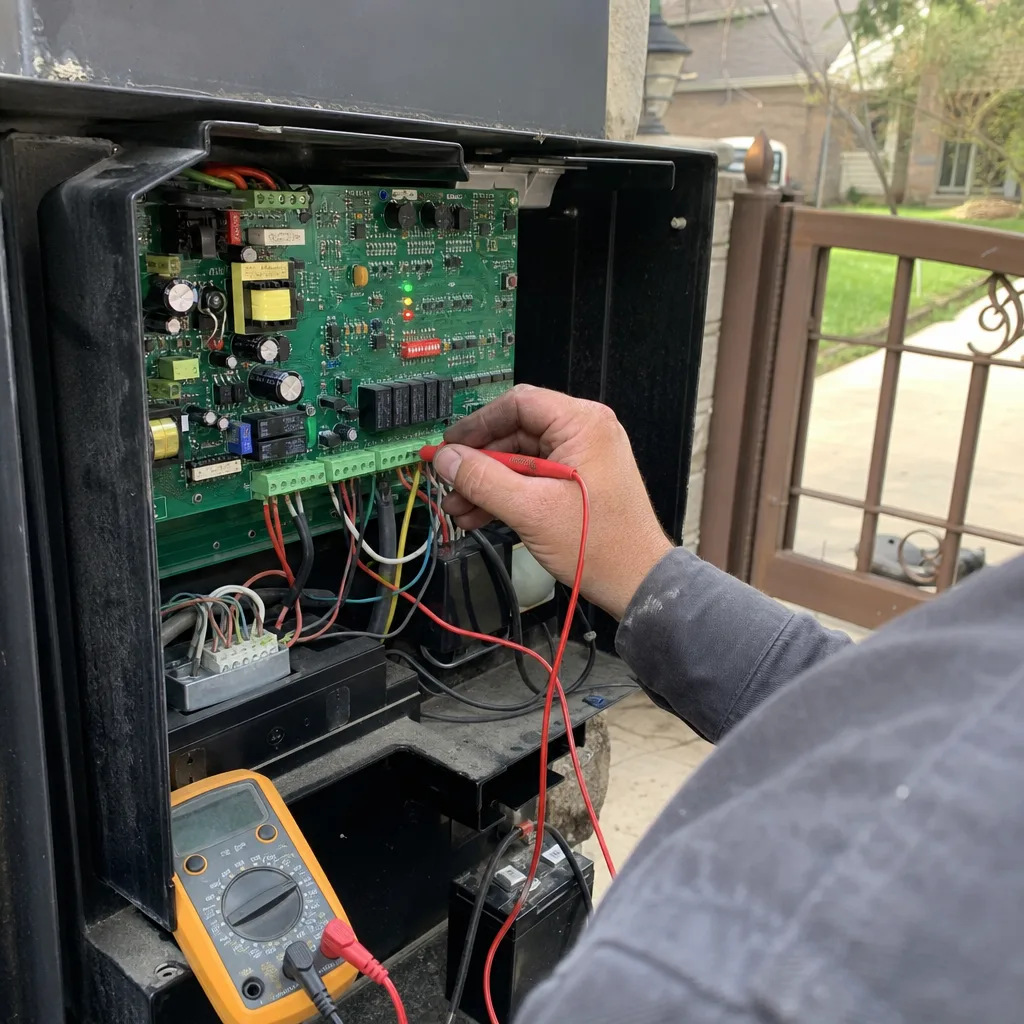
- Look at the control board for burn marks or a tripped GFCI. If the gate won’t respond, check the outlet before assuming the board is dead. Then check the fuse or breaker.
- Operate the gate manually with the release. If the gate moves freely manually, the problem is in the operator. If it binds manually, the storm shifted something structural and you need mechanical repair, not a new board.
- Check the posts for lean or soil washout. A six-inch rainfall in a few hours saturates clay soils and softens the ground around posts. The post may not lean the day of the storm; it may take a week. In our experience, post movement after heavy rain is the most common surprise a homeowner finds when the gate suddenly stops latching.
Power surges are the other big Fort Worth storm issue. A nearby lightning strike can ride the line into an opener board even with a surge protector, because the surge doesn’t have to hit the panel directly. It can enter through the sensor wires, the keypad, or the intercom line. If your gate opener acts erratic after a storm, assume the board got a hit until proven otherwise.
For storm-related damage that needs repair, our gate repair service in Fort Worth handles everything from bent panels to fried boards, and we weld on-site so the gate stays in your driveway.
Fall Soil Movement: The Blackland Prairie Clay Problem
If you live in Fort Worth, you live on Blackland Prairie soil. It’s a specific, expansive clay that shrinks when it dries and swells when it wets, and it can move a gate post enough to stop a gate from latching without leaving a visible crack in the ground. This is the seasonal pattern most general gate guides miss entirely, because they’re written by people who don’t know clay soil the way a Fort Worth homeowner does.
Here’s how it works. Through the summer, the clay dries out and cracks open. Post footings that were set in this soil lose side support, and the post may drift slightly. Then the September and October rains return. The clay rehydrates and expands, but it doesn’t expand evenly. The wet side of the post swells more than the dry side. The post gets pushed, and the push is invisible: a quarter inch here, a half inch there. The gate still looks straight, but the latch no longer lines up, or the gate drags on the ground, or the opener starts laboring because the geometry changed.
The fall soil movement watch is simple:
- Test the latch every week in September and October. If it doesn’t catch cleanly, don’t force it. The post has moved, and forcing the gate damages the latch, the frame, and eventually the opener.
- Watch for widening cracks in the soil around post bases. The cracks themselves aren’t the problem. The movement they indicate is the problem.
- Check the gate’s reveal, the gap between gate edge and frame. A reveal that’s tight at the top and wide at the bottom, or vice versa, means the post has rotated out of plumb.
- Look for fresh scuff marks on the ground or the frame where the gate contacts something it didn’t contact before. A gate that drags or rubs is shouting at you.
- Re-plumb any post that moved during the fall or winter. This is the one task that should not be deferred. A post that’s out of plumb under load is a failure waiting for the next storm.
- Replace hinge pins and bushings that show any play. Waiting until the hinge sloppy enough to see is waiting too long. Hinges are cheap. The damage a loose hinge causes to the panel and the post is not.
- Inspect all welded joints for cracks and schedule repair for anything suspicious. On-site welding is a skill, not a checkbox. A cracked weld in March is a modest repair. A broken weld in July is a dropped gate or a bent panel.
- Check the opener’s force settings. If the opener needed more force over the winter to move a stiffer gate, the settings may now be too high for the lighter spring load. Correct force settings protect both the gate and the people who use it.
- Repaint or reseal every surface that shows wear. Spring’s moderate temperatures are the best painting weather we get. A solid seal job in April buys you two to three more years before the panel needs real attention.
- Ignoring a gate that’s dragging or binding and hoping it goes away. A gate that rubs today is a burned opener motor in three months. The friction load goes up, the motor works harder, and failure follows. In Fort Worth’s summer heat, this cycle speeds up even more.
- Lubricating a dirty hinge. Oil on dirt makes grinding paste. Clean the hinge first, then lubricate. Otherwise you’re accelerating the wear you’re trying to prevent.
- Adjusting the latch instead of the post. When a gate stops latching, the common instinct is to file the latch or shim the strike. That’s treating the symptom. The post moved. Fix the post and the latch works again.
- Replacing the whole operator when the problem is a $30 battery or a tripped breaker. We see this from national outfits all the time. The board gets blamed, the whole unit gets swapped, and the homeowner pays ten times the cost of the actual fix. Start with the simple checks before calling for replacement.
- Skipping the auto-reverse test after storms. That test exists because gates have killed people. A storm can knock out the safety features while leaving the motor functional. Test it after every significant weather event.
- Painting over rust without treating it first. Rust is active corrosion. Paint over it and the rust keeps working underneath. Treat the rust, then prime, then paint, or you’ll be doing it again next spring.
- Using the gate as a lawn ornament and never running it. Gates and operators are machines. Machines need to run to stay healthy. A gate that sits for months without cycling develops seal failures, flat spots on rollers, and hardened grease. Run it open and closed at least once a month, even if you don’t need to.
In our experience, the homeowners who catch post movement in the fall are the ones who avoid a full post reset in the spring. Once the post has moved enough to bind the gate, the fix isn’t an adjustment. It’s digging out the old footing and re-setting the post in a deeper pour. That’s a bigger job with a bigger invoice. A latch check takes ten seconds.
If you’re seeing post movement and want an honest assessment, the Gate Installation in Fort Worth page covers post setting and full replacements when a repair isn’t the right call. We’ll tell you straight if the fix is a repair or a reinstall; we don’t sell work that doesn’t need doing.
The One Winter Task Most Homeowners Skip
Every winter, we get a wave of calls in March and April from Fort Worth homeowners whose gate opener won’t turn on or works intermittently, and the cause traces back to a task almost no one thinks about: checking the gate’s battery backup and the operator’s electrical connections during the cold months. Here’s why it matters.
Cold temperatures reduce battery efficiency. A battery backup that’s been weakening all year finally shows it in January, when the temperatures drop and the battery can’t hold enough charge to run the opener during a power interruption. But the homeowners don’t know it’s dead, because the gate runs fine on line power. Then a storm knocks out power, the gate doesn’t work, and they discover the backup failed when they needed it most.
The other part is connection corrosion. Fort Worth winter air is humid, and temperature swings create condensation inside control boxes and junction boxes. Corrosion builds on terminal connections slowly. By the time spring arrives, the connection has degraded enough to cause intermittent failures. The gate works sometimes, not others, and the homeowner chases the problem for weeks before a tech finds the corroded terminal.
The winter checklist item everyone skips: once a month in December, January, and February, open the operator box and look at the connections. Green fuzz on terminals, white crust, or loose wire nuts are all failures waiting to happen. Tighten what’s loose. Clean what’s corroded. Test the battery backup by unplugging the main power and running the gate. If it won’t run, the battery is done.
This one habit saves more spring service calls than anything else in this guide, and it costs nothing but ten minutes a month.
Spring: The Season to Rebuild, Not Just Repair
By the time spring arrives in Fort Worth, your gate has survived the full annual cycle: a summer of heat, a winter of freeze-thaw, the spring storm season, and a fall of clay soil movement. The accumulated stress shows up in places that a quick tune-up won’t fix. Spring is the season to make the structural corrections that reset the gate for the next twelve months.
The spring rebuild checklist runs deeper than the others:
This is also the season to make the decision about whether the gate gets another year or whether this is the year for a full replacement. Not every gate worth saving is worth saving forever. When the panel is rusted through in multiple spots, the post has been re-set twice, or the opener is a brand that’s been out of production for a decade, a new gate installation in Fort Worth may cost less over five years than continuing to patch. We’ll give you that assessment honestly, including the numbers, and let you decide.
Common Mistakes to Avoid
When to Call a Professional
Some gate work is owner-friendly. Lubrication, latch checks, visual inspections, and debris clearing are all reasonable homeowner tasks. But when you’re dealing with a leaning post, a cracked weld, a gate that’s come off its track, or an opener that’s showing erratic behavior after a storm, you’re in territory where mistakes get expensive fast. Gate panels are heavy. Springs and cables are under tension. A post that’s been re-set wrong will be back out of plumb within a season. If you’re not sure, the honest answer is to get a professional look before the damage compounds.
Gatewood Fence & Gate offers free estimates in Fort Worth, with no trip charge inside the county. Hal Gatewood has been repairing and installing gates since 2001, and the name is on the shop and on every invoice. Call (817) 241-4067 if you want someone who’ll show up, look at the actual gate, and tell you what it actually needs. If you have a written estimate from another company, bring it and we’ll give you a free second opinion.
Frequently Asked Questions
Twice a year is the right rhythm for most Fort Worth gates: once in late spring before the heat arrives, and once in early fall before the rains return. Those two service windows catch the two biggest seasonal stress periods, the July-August heat and the October-November clay expansion. If your gate is on a busy driveway with 20 or more cycles a day, every three months is better. A professional service visit typically costs less than the repair it prevents, and we’re happy to do just the maintenance if that’s all you need, no upsell on work that isn’t required. Call (817) 241-4067 to schedule a seasonal check.
Post movement from Blackland Prairie clay soil is the most common Fort Worth-specific gate problem we see. The clay shrinks dry in summer and swells wet in fall, and that cycle pushes posts out of alignment slowly, often without obvious signs until the gate stops latching or the opener starts straining. Other cities deal with rust from salt air or snow load; Fort Worth’s signature problem is soil movement. The fix is a properly re-set post with a deeper footing, and it’s a repair we do regularly.
A basic seasonal tune-up in Fort Worth typically runs $120 to $220, depending on the gate type, size, and whether it’s a single or double gate. That covers hinge and latch lubrication, operator force check, safety reverse test, visual weld inspection, and minor adjustments. If the visit turns up a problem that needs parts, you’ll get a written quote before any work starts, and we’ll apply our $40-off-any-repair-over-$200 offer if it qualifies. Call (817) 241-4067 for an exact price on your gate.
Yes, if you’re expecting severe weather, turn off the opener at the breaker and operate the gate manually if you need to. North Texas spring storms bring frequent lightning, and while surge protectors help, nothing fully protects a control board from a nearby strike that enters through the sensor or keypad wiring. The boards we replace most frequently in April and May are from gates that took a hit during a storm the owner thought was just rain. After the storm passes, test the auto-reverse before trusting the gate to automatic operation.
Most opener problems are repairable: a $30 capacitor, a $50 board repair, a $20 battery, or a $15 limit switch. We service nine major brands including Linear, Viking, Ghost Controls, DoorKing, LiftMaster, FAAC, BFT, Elite, and Mighty Mule. We repair before we replace, and we’ll show you the failed part and the cost breakdown before we do the work, so the price is always agreed upfront. The Gate Motor & Opener in Fort Worth page has more detail on the brands we fix.
Check the breaker and GFCI first, then test the gate manually. Clear any debris from the track. If it works manually, the problem is electrical and usually in the opener. If it won’t move manually, the storm shifted something structural, and forcing it with the opener can cause more damage. Either way, a live person answers our phone 24/7 at (817) 241-4067, and we offer same-day storm-response service in Fort Worth. We’ll talk you through the safest way to secure the gate until we get there.
The Bottom Line
Fort Worth gates live a harder life than most homeowners realize. The heat cooks opener boards. The freeze-thaw cycles crack welds. The spring storms surge electrical systems and throw debris. The clay soil shifts posts in a slow, invisible grind that shows up as a latch that doesn’t catch. The homeowners who avoid the big repair bills are the ones who walk their gate four times a year and catch the small stuff before it compounds. That’s the whole game. It’s not about buying a premium gate once. It’s about watching it the way you watch your roof or your foundation, because in Fort Worth, the gate is every bit as exposed to the local weather as anything else you own.
If you want a set of trained eyes on your gate as the seasons change, call Gatewood Fence & Gate at (817) 241-4067. Hal Gatewood has been fixing gates in Fort Worth since 2001, the estimates are free, and the price is agreed before anything gets touched. Visit the Gatewood Fence & Gate home page to learn more about how we work.
Written by Hal Gatewood, Owner at Gatewood Fence & Gate, serving Fort Worth since 2001.