
Last updated August 26, 2026
Free on-site gate assessment - hinges, posts, and your LiftMaster or Nice gate operator checked before anything is quoted
The assessment is free and the quote is the invoice.
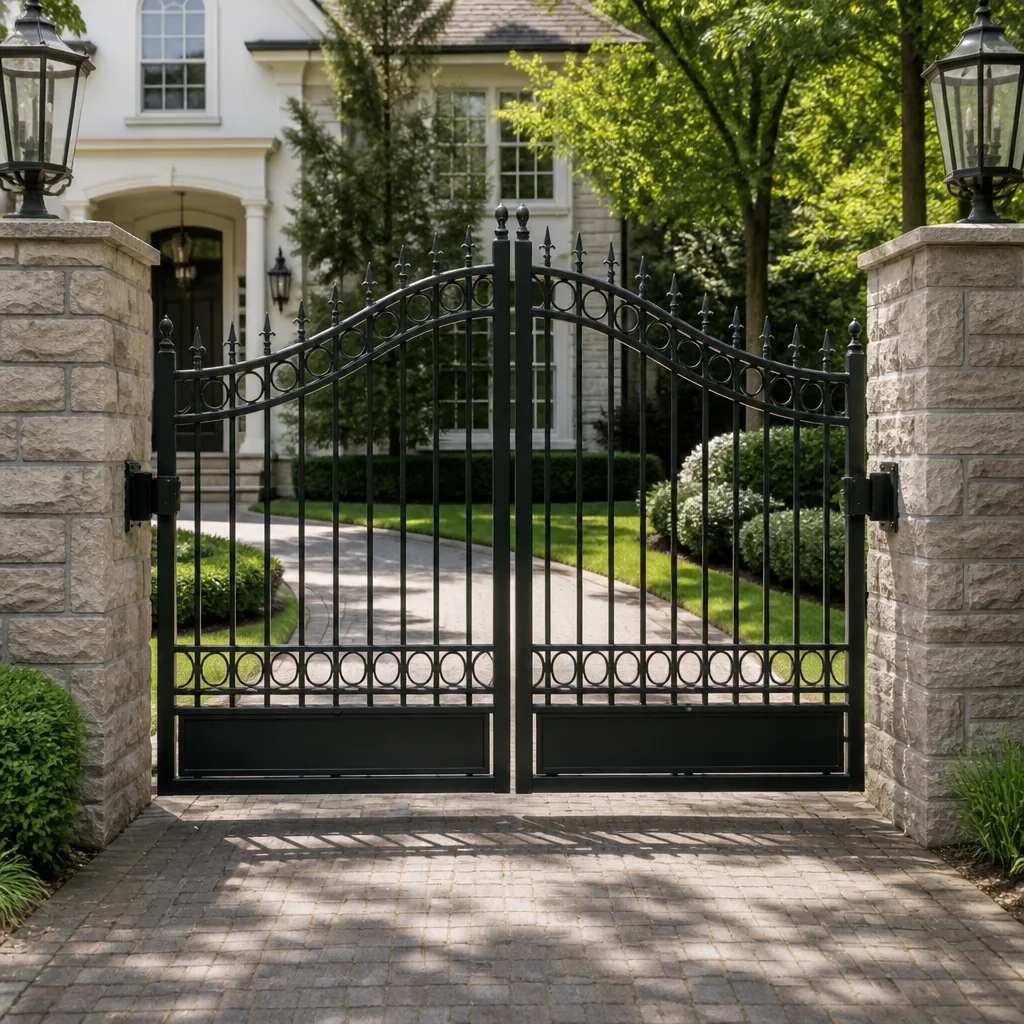
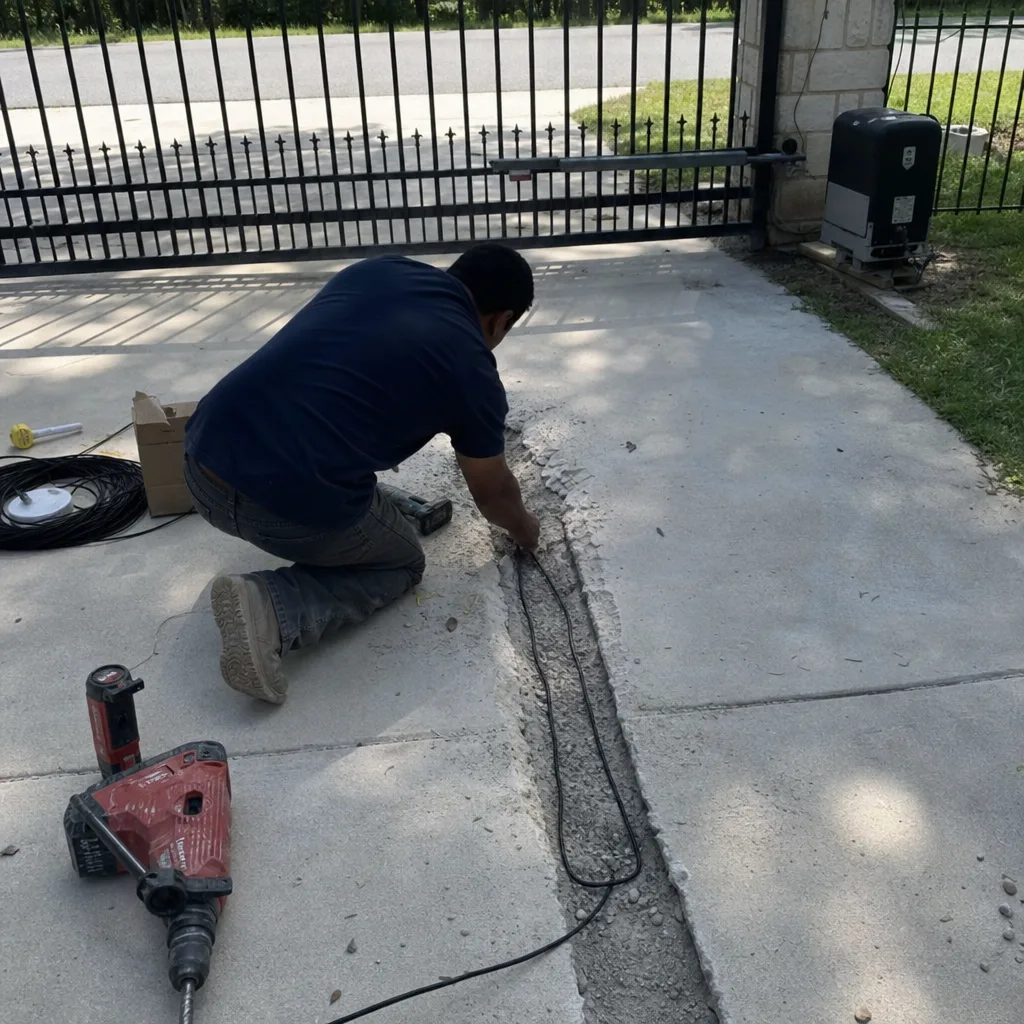
 Before
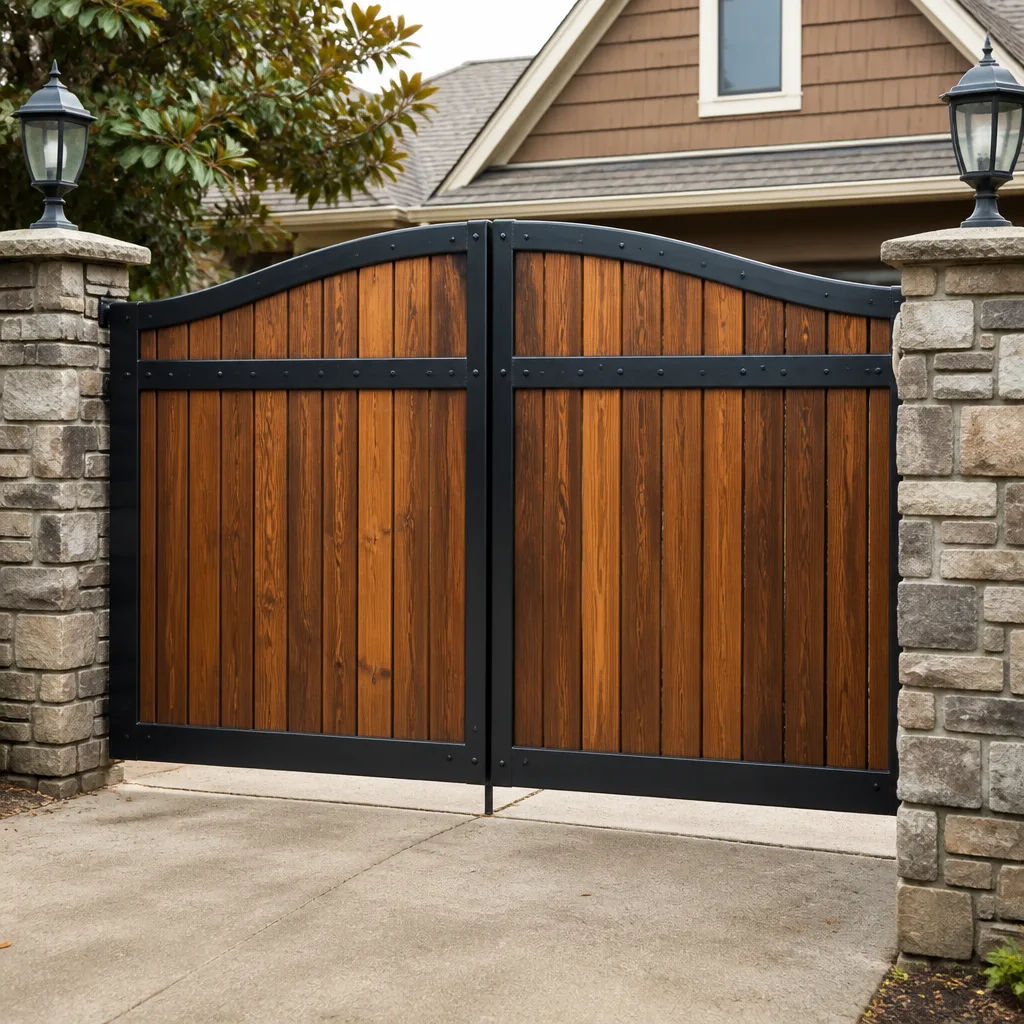
 After
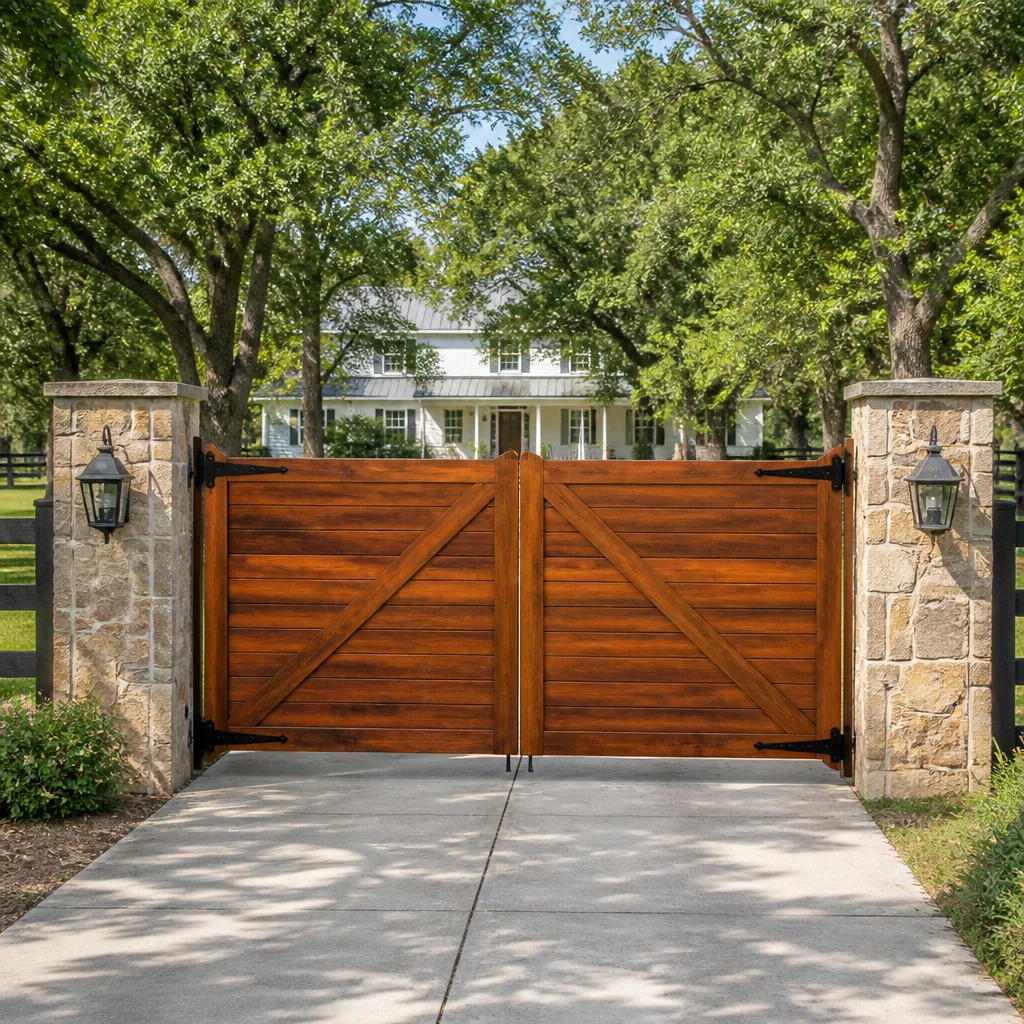
After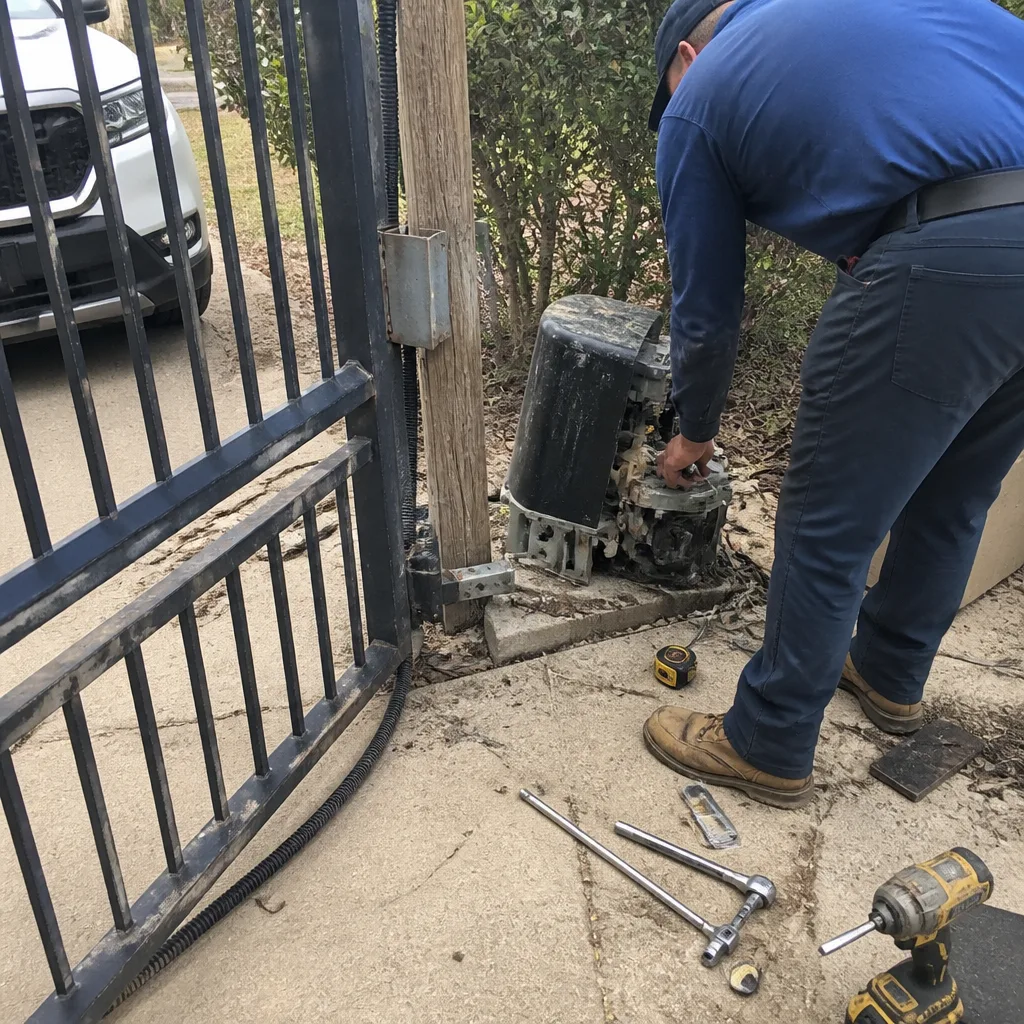 Before
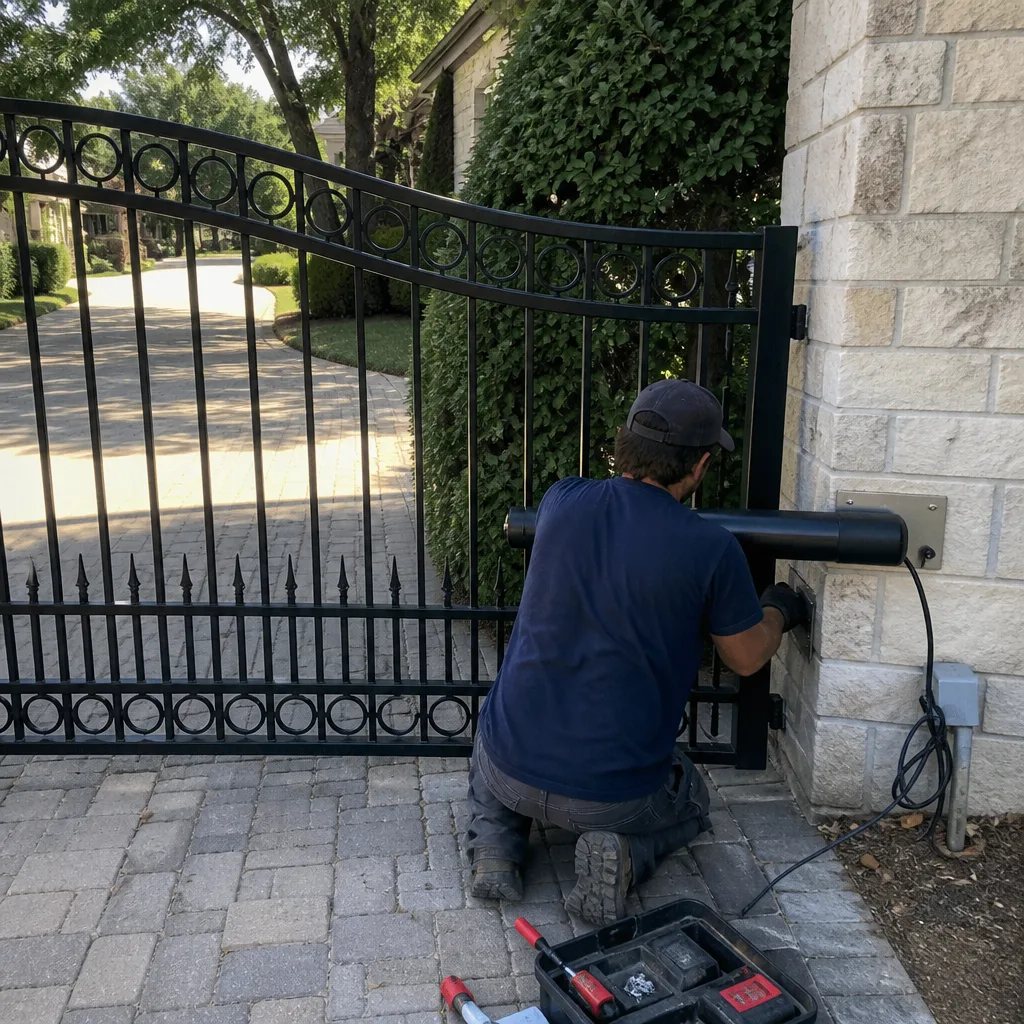 After
After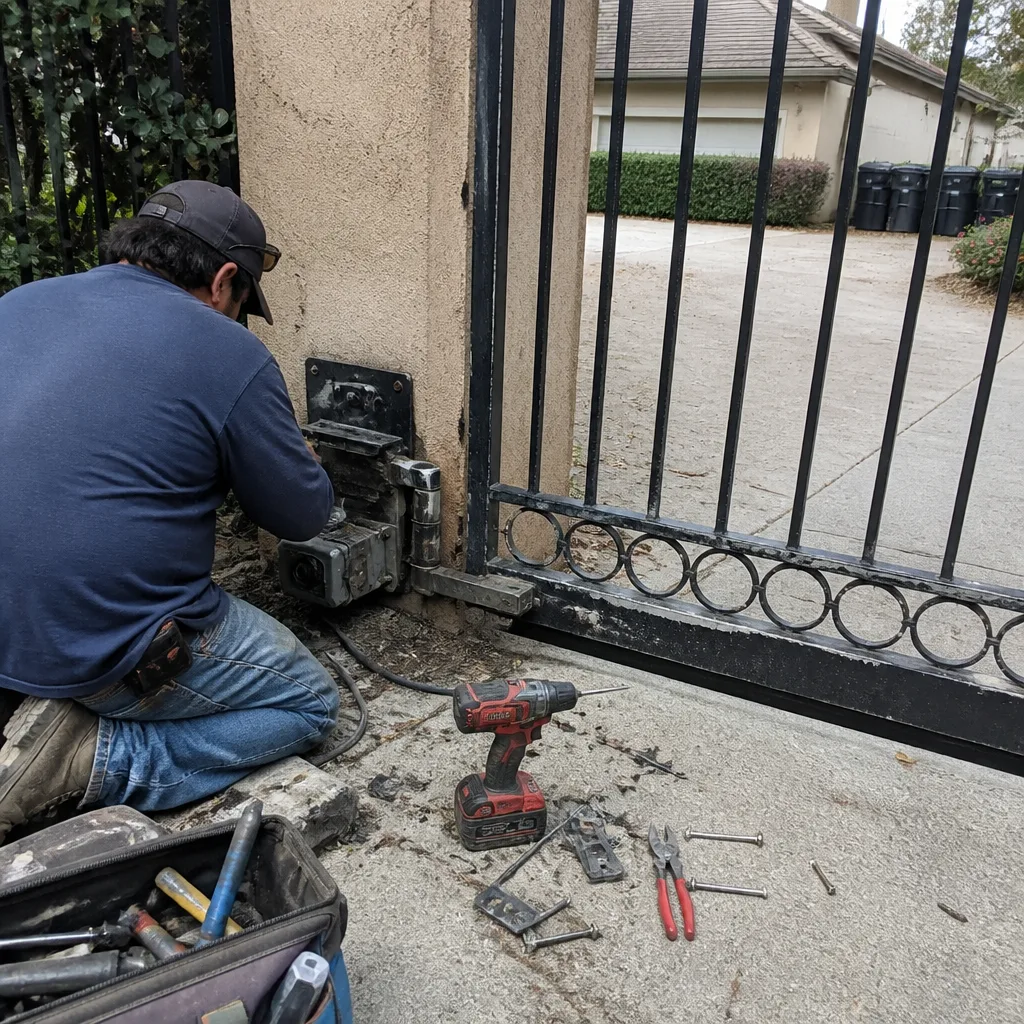 Before
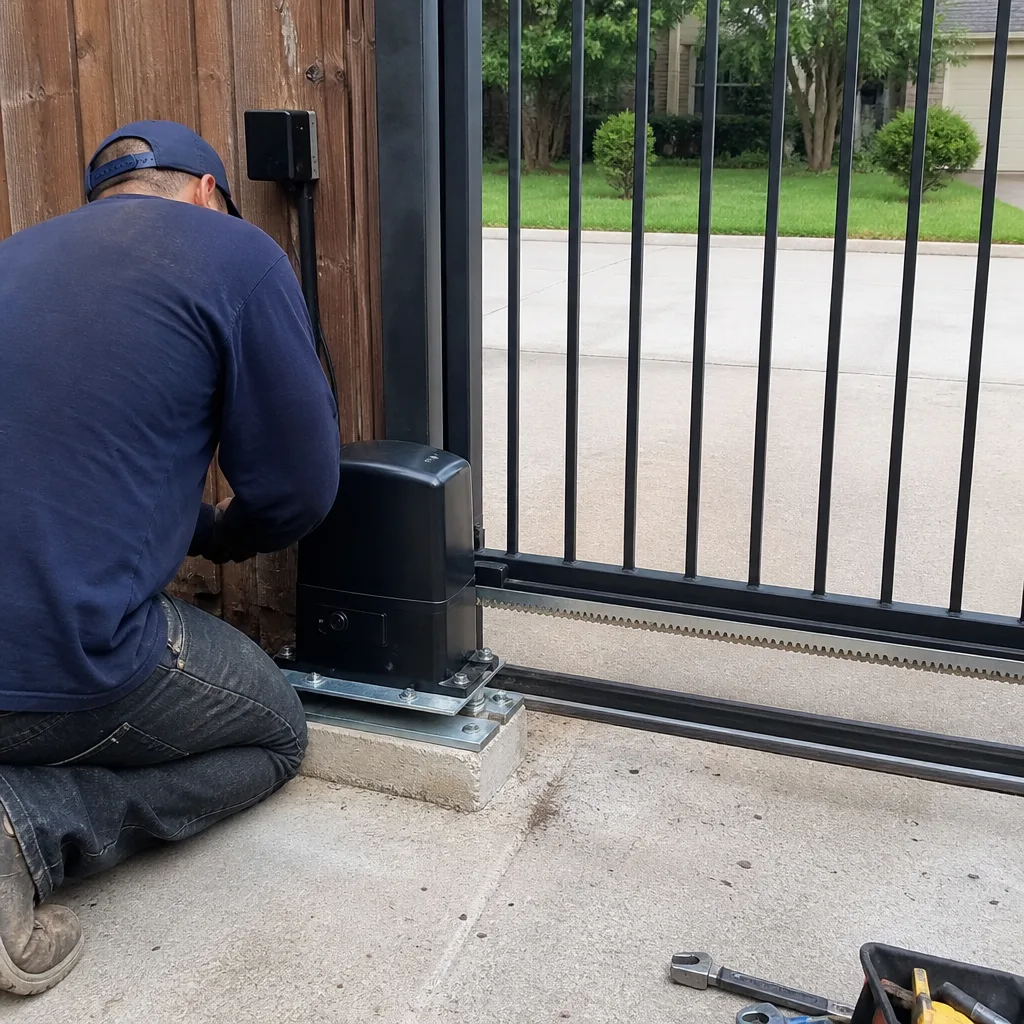 After
AfterGate Repair Cost Breakdown: The Fort Worth Homeowner’s Reference for 2026
Two contractors pull up to the same driveway gate in Fort Worth, look at the same busted hinge, and hand over quotes that are $600 apart. One of them is lying, or at least hoping you won’t ask the right questions. It happens more than you’d think. What most people don’t realize is that gate repair pricing isn’t some mystery number pulled out of the air. It’s built from specific line items and when you understand what those line items are, you can spot exactly where a quote is padded and where one is just honest. This guide walks you through every cost component of gate repair in Fort Worth for 2026, from hinge replacements to full operator swaps, so you can read a quote like someone who’s been doing this since 2001.
Quick Answer
Gate repair in Fort Worth typically runs $175 to $650 for common fixes like hinge replacement, weld repair, and post resets, while gate operator replacement lands between $750 and $1,900 depending on brand and gate size. For a complete breakdown of seasonal upkeep, see our Gate Repair Maintenance Checklist for Fort Worth Homeowners. The price spread comes down to three things: what’s actually broken, what the gate is made of, and whether the contractor is charging you for work you don’t need. Every Gatewood Fence & Gate quote is written line-by-line and priced before any work starts.
Table of Contents
- What Gate Repair Actually Costs in Fort Worth: 2026 Price Ranges
- How to Read a Gate Repair Quote Without Getting Taken
- Hinge Replacement Cost: Materials, Labor, and the Hidden Post Problem
- Weld Repair vs. Replacement: Why On-Site Welding Saves You Money
- Post Reset Cost: When the Foundation Is the Problem
- Gate Operator Replacement: What a Fair Price Looks Like in 2026
- Repair vs. Replace: When Replacement Is Actually Cheaper
- What a Fair Service Call Fee Looks Like in Fort Worth
- Common Mistakes to Avoid
- When to Call a Professional
- Frequently Asked Questions
- The Bottom Line
What Gate Repair Actually Costs in Fort Worth: 2026 Price Ranges
We’ve tracked our own invoices and the quotes homeowners bring us from other contractors for years. The honest range in this market, in 2026, breaks down like this.
- Hinge replacement (single gate, steel): $175-$325
- Hinge replacement (double gate or ornamental iron): $300-$550
- Weld repair (cracked frame, broken picket): $125-$275 per weld site
- Post reset (single post, no concrete removal): $300-$600
- Post reset (both posts, ornamental gate): $650-$1,200
- Gate operator replacement (residential, chain or belt drive): $750-$1,400
- Gate operator replacement (heavy slide gate or dual swing): $1,200-$1,900
- Track and roller replacement (slide gate): $200-$450
- Adjustment and tune-up (no parts): $95-$185
These ranges assume a standard residential gate. A 16-foot ornamental iron double gate on a masonry column in a neighborhood like Monticello or Westcliff will push the high end. A basic tube steel gate on a ranch road outside Weatherford might land at the low end. The key number people fixate on is the total. What they should fixate on is whether the quote shows what’s inside it. Most quotes that look “too good” are burying the labor in a line item called “miscellaneous” or not planning to do the adjustment work after the install. We’ll get to that.
One thing worth saying straight: Fort Worth’s clay soil moves. That’s not a metaphor. The black gumbo clay west of Loop 820 and up toward Saginaw expands when it rains and contracts when it dries, and that movement is the single biggest reason posts lean and gates sag in this city. If someone gives you a hinge quote without looking at the post, they’re charging you for a hinge that will fail again. That’s the difference between a repair and a Band-Aid.
How to Read a Gate Repair Quote Without Getting Taken
Here’s a quote we saw from a homeowner in Benbrook last spring. The gate was a 12-foot steel tube gate, sagging at the hinge. The contractor quoted $940. There were six line items: “service call,” “materials,” “labor,” “disposal,” “mobilization,” and “gate adjustment.” Four of those six were the same thing wearing different hats. Service call, mobilization, and disposal were three separate charges totaling $310 on top of labor. That’s the shell game.
A straight quote has three parts, maybe four.
- Parts at cost or close to it. Hinges are $15 to $60 each depending on the weight rating. Steel stock for a weld repair runs $8 to $25 per foot. If your quote shows “materials: $400” for two hinges, something’s off.
- Labor at an honest hourly rate. In Fort Worth, gate repair labor runs $75 to $125 per hour for a skilled welder or gate tech. Most repairs take 1 to 3 hours. A hinge replacement on a single steel gate should not show 6 hours of labor.
- Adjustment and testing time. This is the line item most cheap quotes leave out and the gate never closes right afterward. Count on 30 to 60 minutes of adjustment after any hinge, post, or operator work.
- Any trip charge that’s actually a trip charge. We don’t charge one inside Tarrant County. If you see one, ask what it covers. If the answer is vague, that’s your answer.
The way to read a quote is to ask one question: “What exactly does labor include?” If the person can’t answer in one sentence, the quote is hiding something. Any honest shop can say “that’s the time on site plus the adjustment after.” If they stumble, you’ve found the padding.
Hinge Replacement Cost: Materials, Labor, and the Hidden Post Problem
A hinge replacement on a Fort Worth driveway gate should cost between $175 and $550 depending on the gate’s material and whether the post needs shimming. That’s the answer. The reason some quotes show $900 for the same job is that the contractor is planning to remove the gate, haul it to the shop, and weld on new plates because they can’t weld on site. You’re paying for their limitation.
A sagging gate is almost never a hinge problem by itself. The hinge wears because the post leans or the gate was hung wrong in the first place. We see this constantly in older neighborhoods like Fairmount and Ryan Place, where original ornamental gates from the 1920s are hanging on posts that haven’t been touched in a century. The gate didn’t decide to sag. The post gave up.
Here’s what a hinge replacement should actually include:
- Removing the old hinge hardware and grinding the surface clean
- Checking the post for lean and shimming or welding a reinforcement plate if needed
- Welding or bolting new hinges rated for the gate’s actual weight
- Re-hanging the gate and adjusting the swing arc so it clears the ground and latch
- Testing with the opener, if there is one, so the auto-close cycle doesn’t bind
That last step is the one most people skip. A hinge that works fine by hand but fights the opener will burn out a $400 motor inside a year. When we quote a hinge replacement, the adjustment after the install isn’t optional. It’s the job. If you get a quote that doesn’t mention adjustment, call someone else or ask why.
On the materials side, there’s a real difference between a $12 hinge from the hardware store and a $60 adjustable weld-on hinge rated for a 800-pound gate. Both exist. If your gate is a 14-foot ornamental iron beast, the cheap hinge will sag by Thanksgiving. This is one place where paying for the right part costs less than doing it twice.
Weld Repair vs. Replacement: Why On-Site Welding Saves You Money
Weld repair in Fort Worth runs $125 to $275 per weld site, and the number of sites is what drives the total. A single cracked picket at the bottom rail is one site. A broken frame corner with three torn welds is three sites. Total bill: usually under $400. The same gate, replaced, would run $1,200 to $3,000. That’s not a hard decision, but here’s the catch: not every gate company welds. And a company that can’t weld will always recommend replacement.
That’s not cynicism. It’s arithmetic. If your only tool is a bolt kit, every repair looks like a replacement. We’ve had customers tell us another company said their gate was “too far gone” and needed to be hauled off. We welded the crack in the driveway, reinforced the corner with a steel plate, and the gate is still swinging years later. The difference is whether the person showing up owns a welder and knows how to use it on a gate that’s still attached to the post.
On-site welding matters for reasons beyond convenience. When you remove a gate and haul it to a shop, you’re adding two labor trips and a truck haul to the invoice. You’re also changing the gate’s geometry slightly when you re-hang it, because it was fabricated to sit on its original posts. Weld it in place and it sits exactly where it was. Fix the panel without the post and you’ll fix it twice, but weld the panel while it’s still hung and you fix it once.
Here’s when weld repair makes sense versus when it doesn’t:
- Weld it: cracked frame member, broken picket, separated corner, hinge plate torn from the gate
- Replace it: structural rot through multiple members, metal so thin from rust that it cannot hold a weld, or a gate that was undersized from day one
One more local note. Fort Worth’s summer heat doesn’t hurt steel gates much, but our spring storms and occasional ice events put a lot of stress on welds. A gate that goes through freezes and thaws and 60-mile-an-hour straight-line winds develops fatigue cracks at the corners. That’s normal. It doesn’t mean the gate is dying. It means the gate is alive and needs a weld now and then.
Post Reset Cost: When the Foundation Is the Problem
A gate sags in the hinge post, not in the middle, and that is where we start. Post reset cost in Fort Worth runs $300 to $1,200 depending on whether you’re resetting one post or two, what the post is set in, and whether the concrete footer needs to be broken out. This is the repair people put off because it sounds expensive, and it’s the one that makes every other repair fail if you ignore it.
The most common scenario we see: a homeowner in a newer subdivision like Walsh or Marine Creek gets a gate installed by the builder’s sub. The post is set in a 12-inch round of concrete that’s only 18 inches deep. Two years later the post leans, the gate drags, and the opener strains. The builder’s sub bid the job cheap and set the post shallow. Now the fix costs more than if it had been done right in the first place.
Here’s what a proper post reset involves.
- Disconnect the gate and remove the opener arm, if there is one
- Break out the existing concrete around the post, or drill and pull the post if the footing is sound
- Reset the post in new concrete, minimum 24 to 30 inches deep, wider at the base than at the top
- Plumb and brace the post while the concrete cures, usually 24 to 48 hours
- Re-hang the gate and re-adjust the opener
That last step is another place quotes fall apart. Some companies reset the post and then tell you to call your gate opener company separately for the re-adjustment. So you get two invoices and a gate that doesn’t auto-close for a week. Any gate company worth calling should handle the post and the opener in one job. If the quote doesn’t mention the opener, ask who’s going to make sure the gate still opens and closes on its own when the concrete dries. Show me the gate closing on its own and I’ll show you where it’s failing.
In Fort Worth’s soil specifically, a post set in the clay without proper depth will move within two seasons. We see it every year, always in March and April after the spring rains, and again in August when everything’s baked dry. If your post was set originally by the builder and it’s leaning, the fix isn’t a wedge or a shim. It’s pulling the post and doing it right.
Gate Operator Replacement: What a Fair Price Looks Like in 2026
Gate operator replacement in Fort Worth runs $750 to $1,900 in 2026, and the spread is real. It depends on the brand, the gate’s weight and type, and whether the existing wiring and safety edges can be reused. A straight swap of a LiftMaster or Mighty Mule residential opener on a single swing gate with good wiring lands around $750 to $1,000. A heavy slide gate needing a FAAC or BFT operator with new safety loops and a control board upgrade runs closer to $1,500 to $1,900.
Here’s the line-item breakdown on a typical operator replacement.
- Operator unit: $350-$900 depending on brand and torque rating
- Mounting kit and arm: $40-$120
- Safety edges or photo eyes, if needed: $80-$250
- Wiring and conduit, if needed: $3-$8 per foot
- Labor, including programming and testing: 2-4 hours at $75-$125 per hour
What separates a $750 quote from a $1,700 quote for the same gate is usually three things: whether the contractor includes safety edges, whether they’re replacing the arm or reusing a worn one, and whether they’re programming the operator’s force settings or leaving them at factory default. A Mighty Mule opener installed with factory force settings on a heavy gate will strip its own gears in a year. Programming the thing takes 20 minutes. Skipping it saves the contractor time and costs you a motor.
One industry trick to watch for: quoting the opener unit at retail and then not including the mounting arm because “the old one should work.” It usually doesn’t. The arm and the motor wear together, and putting a new motor on a sloppy old arm is the fastest way to kill the new motor. When we quote an operator replacement, the arm comes with it. Nobody’s getting charged extra for a part that must be there.
If your opener is a Viking or Ghost Controls unit that’s still running, service and adjustment runs $95 to $185. If it’s dead and you’re not sure whether to repair or replace, the rule of thumb is this: if the motor is under five years old and the control board is fine, repair it. If it’s over eight years old and the board is failing, replace the whole unit. Boards and motors fail in pairs as they age, and you don’t want to spend $400 on a board and then $600 on a motor six months later when you could have done one clean swap.
Repair vs. Replace: When Replacement Is Actually Cheaper
There’s a math point where replacing the gate makes more sense than repairing it, and it’s lower than most people think. If a gate needs two or more of these, replacement usually wins:
- Post reset on both sides
- New hinges on three or more mounting points
- Frame welding at multiple corners
- Track and roller replacement on a slide gate
- An operator swap
Add those up and you’re looking at $1,800 to $2,600 in repairs on a gate that might be 15 years old, rusting through in places you can’t see, and never fit the opening right in the first place. A new steel gate of the same size installed, with new posts and a new operator, runs $2,200 to $4,000 for most residential jobs. The gap is smaller than the repair quote makes it look.
In our experience, the honest recommendation is repair about 80% of the time. Most gates don’t need to be replaced. What they need is a post pulled and reset, a couple welds, and an opener that’s actually programmed for the gate’s weight. We fix gates other companies want to replace because replacement is easier to quote and doesn’t require a welder on the truck. But when a gate is genuinely beyond saving, the right move is to say so.
A gate that’s been through a Fort Worth hailstorm, an ice event, and ten years of Texas sun can look fine from the driveway and be paper-thin at the bottom rail. That’s the gate you don’t want to sink $600 of weld repair into. A quick test: press a screwdriver into the lowest rail, on the back side. If it flexes or dents, the steel’s lost its structure. If it barely scratches, the metal still has life. That’s not a professional inspection, but it’ll tell you if you’re repairing or pouring money into rust.
When a contractor recommends replacement, ask why. If the answer is “it’s old,” that’s not a reason. If the answer is “the bottom rail is rotted through and the frame’s rusted at the welds,” that’s a reason. The difference matters, and any honest company in Fort Worth should be able to point at the specific failure before they hand you a replacement quote.
What a Fair Service Call Fee Looks Like in Fort Worth
A fair service call fee in Fort Worth in 2026 is $50 to $95 if it’s charged at all. A lot of companies, including us, don’t charge a trip fee inside Tarrant County. If you live in the county lines, the service call should be free. If you’re outside the county, a modest trip charge is fair, and it should be stated before anyone gets in the truck.
What’s not fair is the $150 to $250 “service fee” that some national brands charge just to put a van in your driveway, separate from any actual work. That’s a surcharge disguised as a service call, and it’s usually non-refundable if you don’t sign a contract that day. That pressure is built into the model. It’s not how a local shop works.
Here’s what a straight service call should include:
- Travel to your property
- Diagnosis of the actual problem, not just a 10-minute glance
- A written quote with the repair broken out by line item
- That’s it
The diagnosis is the thing you’re really paying for. Anyone can say “your gate’s sagging.” The question is why. If a tech arrives and can’t tell you whether it’s the hinge, the post, or the opener’s force settings after 15 minutes of looking, the service call wasn’t worth it. We offer a free second opinion on any written estimate in Fort Worth. If someone wrote you a quote and it feels wrong, bring it in. We’ll go through it line by line and tell you what’s real, what’s padded, and what’s unnecessary. That’s free, no strings. You can also explore more guides & resources to protect yourself from bad quotes.
We also offer no trip charge inside the county, which means the visit to look at your gate doesn’t cost you anything. If you choose to move forward with a repair, great. If you don’t, you’re not out $95 for the privilege of hearing a quote.
Common Mistakes to Avoid
- Accepting a quote with a single line item that says “labor.” Labor should be broken down by task or at least by hours. A single vague labor line is where contractors hide the padding, and you can’t challenge what you can’t see.
- Paying the full amount before the gate is adjusted and tested. The adjustment after the install is part of the job. If a company wants full payment before the gate closes smoothly on its own, you’ve lost your leverage for the part that matters most.
- Replacing the operator without checking the gate itself. A new motor on a sagging gate is a motor that wears out early. The gate and the opener are one system, and fixing one without looking at the other is how you spend twice.
- Hiring based on the lowest bid without checking the business’s address and license. A gate company with no published address and no physical shop can vanish on you. Hal Gatewood’s name is on the shop and the shop is down the road, and that’s the oldest accountability there is.
- Ignoring the post when the gate starts dragging. The hinge is almost never the root cause. If the post leans, the hinge will fail again no matter how much you paid for it. Fix the post once and the problem’s gone.
- Letting someone haul your gate off for repair without asking why. If it can be welded on site, it should be. Hauling a gate to the shop adds two labor trips and a haul charge, and the gate sits differently when it comes back.
When to Call a Professional
Call a gate professional when the gate drags on the ground, won’t close all the way, makes a grinding noise at the hinge or the motor, or starts opening and closing on its own. Before you call, check Gate Repair Permits, Codes & Inspections in TX: What You Need to Know so you know what your contractor should already understand. Those are all signs of a structural or operator problem that won’t fix itself. Also call if a post is visibly leaning, even slightly, because a leaning post in Fort Worth clay only gets worse. If the opener is tripping the breaker or the gate reverses mid-cycle, don’t keep resetting it. That’s a motor or board failure in progress, and every cycle of forcing it does more damage. Gatewood Fence & Gate offers free estimates in Fort Worth. Call (817) 241-4067 and a live person answers, day or night.
Frequently Asked Questions
Most gate repairs in Fort Worth run between $175 and $650, with hinge replacements at $175 to $325, weld repairs at $125 to $275 per site, and post resets at $300 to $1,200 depending on scope. Gate operator replacement adds $750 to $1,900. Call (817) 241-4067 for an exact quote on your gate. Estimates are free.
Yes, most hinge replacements and weld repairs can be done same day or next day in Fort Worth, because the work is done on site in your driveway with no shop haul. Post resets need concrete cure time, so those are scheduled. Call (817) 241-4067 and we’ll tell you straight when we can be there.
Quotes vary because contractors bundle labor and fees differently. A company that can’t weld on site will quote removal, hauling, shop time, and re-installation, which adds $300 to $800 to the same repair a welding shop can do in the driveway. Ask what labor includes and whether the gate stays on your property.
Repair is the better call about 80% of the time in Fort Worth, when the issue is a hinge, a weld, or a post that can be reset. Replacement makes sense when the steel is rusted through in multiple areas or the gate was undersized from day one. A straight answer requires looking at the actual gate.
We don’t charge a trip fee inside Tarrant County. Outside the county there may be a modest travel charge, stated before anyone leaves the shop. We’ll never spring a fee on you at the door.
Yes. Gate operator replacement includes the mounting arm, safety edges or photo eyes where needed, and the low-voltage wiring from the opener to the control board. We install and program operators from LiftMaster, FAAC, BFT, Mighty Mule, and other brands, and the whole system is tested before we leave. Call (817) 241-4067 for a free estimate on operator work.
The Bottom Line
Gate repair in Fort Worth doesn’t have to be a mystery, and it shouldn’t be a negotiation at the door. The ranges are knowable: $175 to $650 for most repairs, $750 to $1,900 for operator work. The spread between a fair quote and a padded one comes from how a contractor bundles labor, whether they can weld on site, and whether they’re honest about the post, the adjustment, and the arm that has to come with a new opener. Ask for line items. Ask what labor includes. And if a quote doesn’t make sense, get a second opinion. Gatewood Fence & Gate has been fixing gates in Fort Worth since 2001, welding on site, and standing behind every job with a 90-Day Done Right Promise that’s in writing. Our pricing is upfront, the price is agreed before work starts, and a live person answers the phone 24/7. Call (817) 241-4067 and tell us what your gate is doing. We’ll tell you what it’ll cost to make it right.
Written by Hal Gatewood, Owner at Gatewood Fence & Gate, serving Fort Worth since 2001.