
Last updated August 26, 2026
Free on-site gate assessment - hinges, posts, and your LiftMaster or Nice gate operator checked before anything is quoted
The assessment is free and the quote is the invoice.
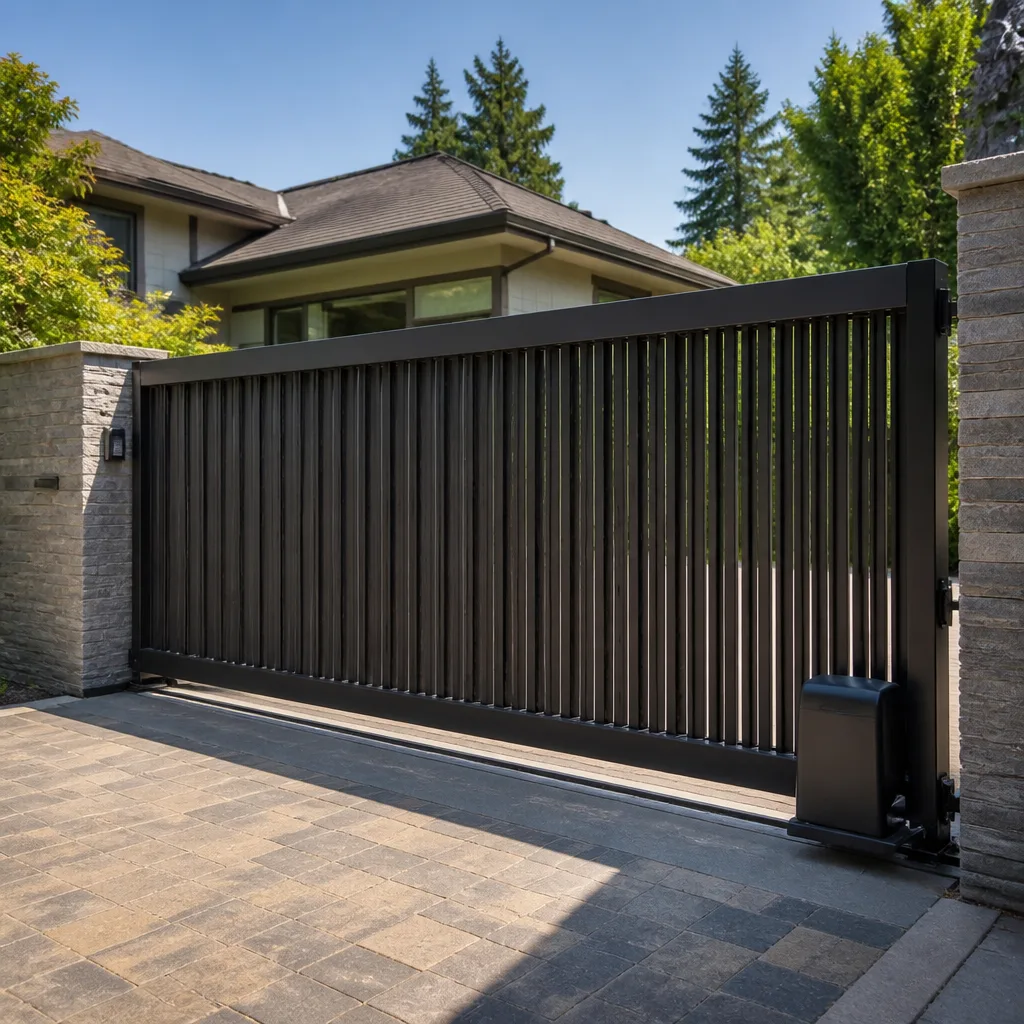
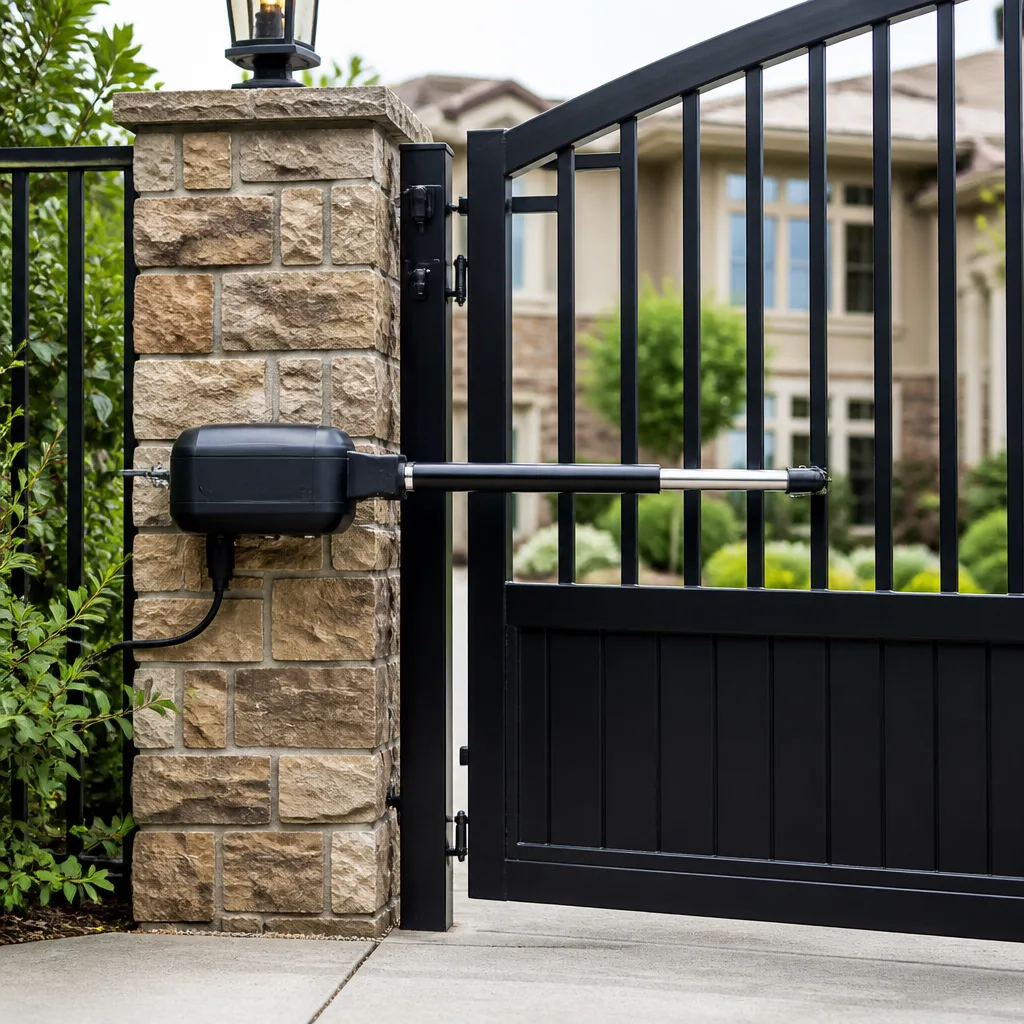
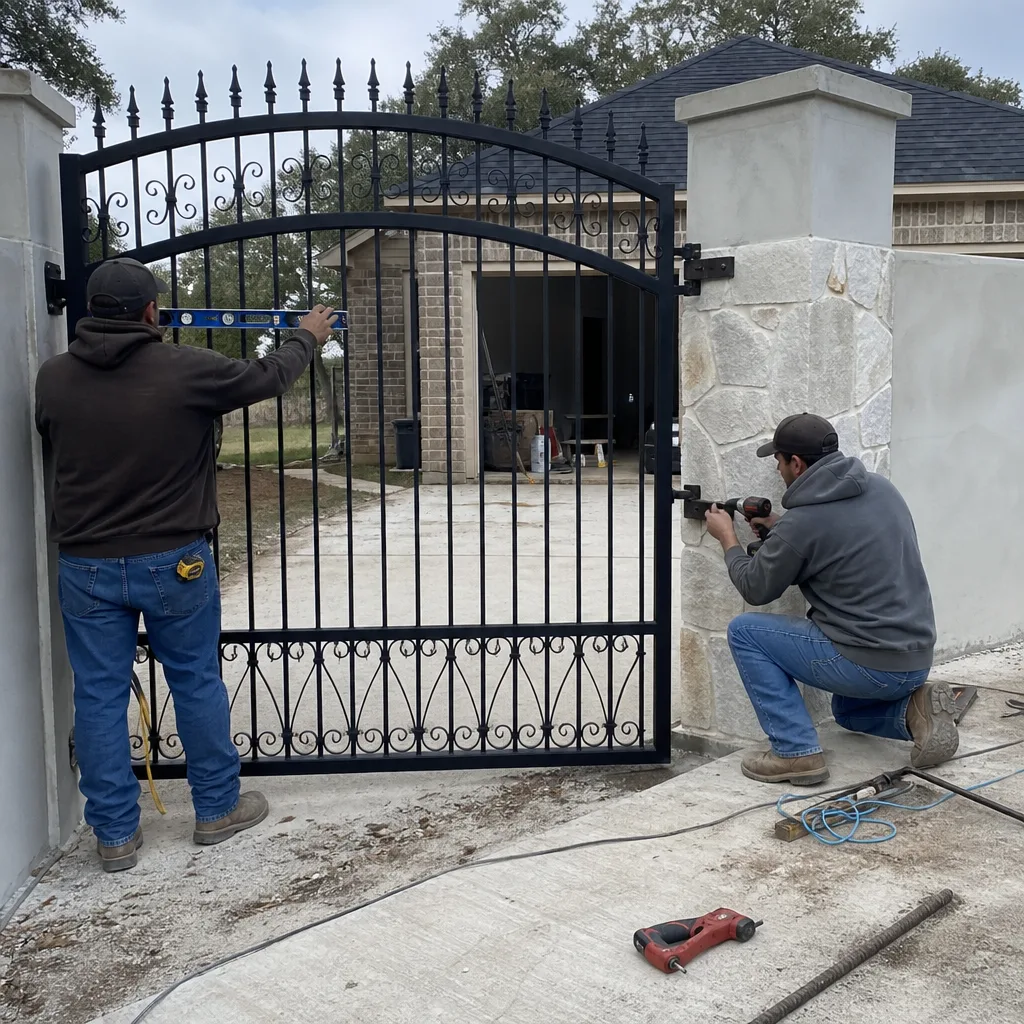
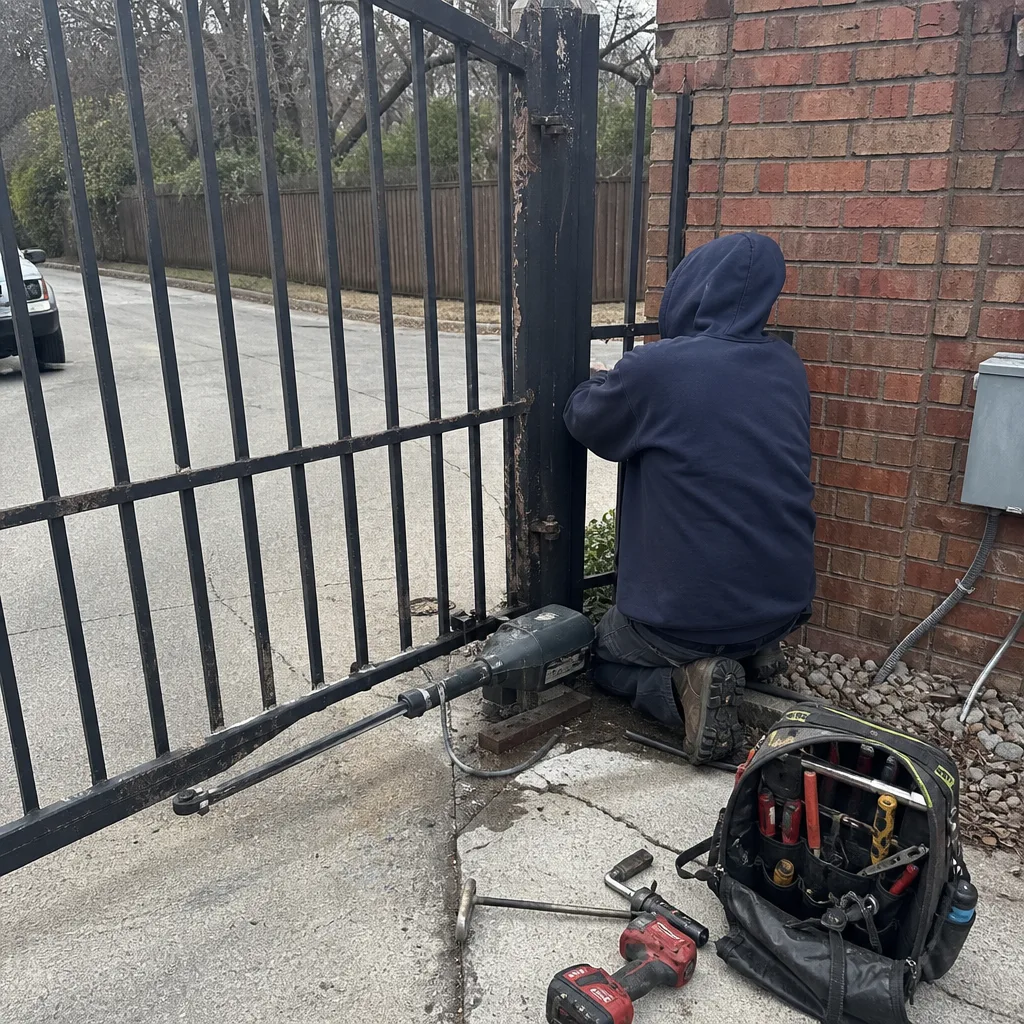 Before
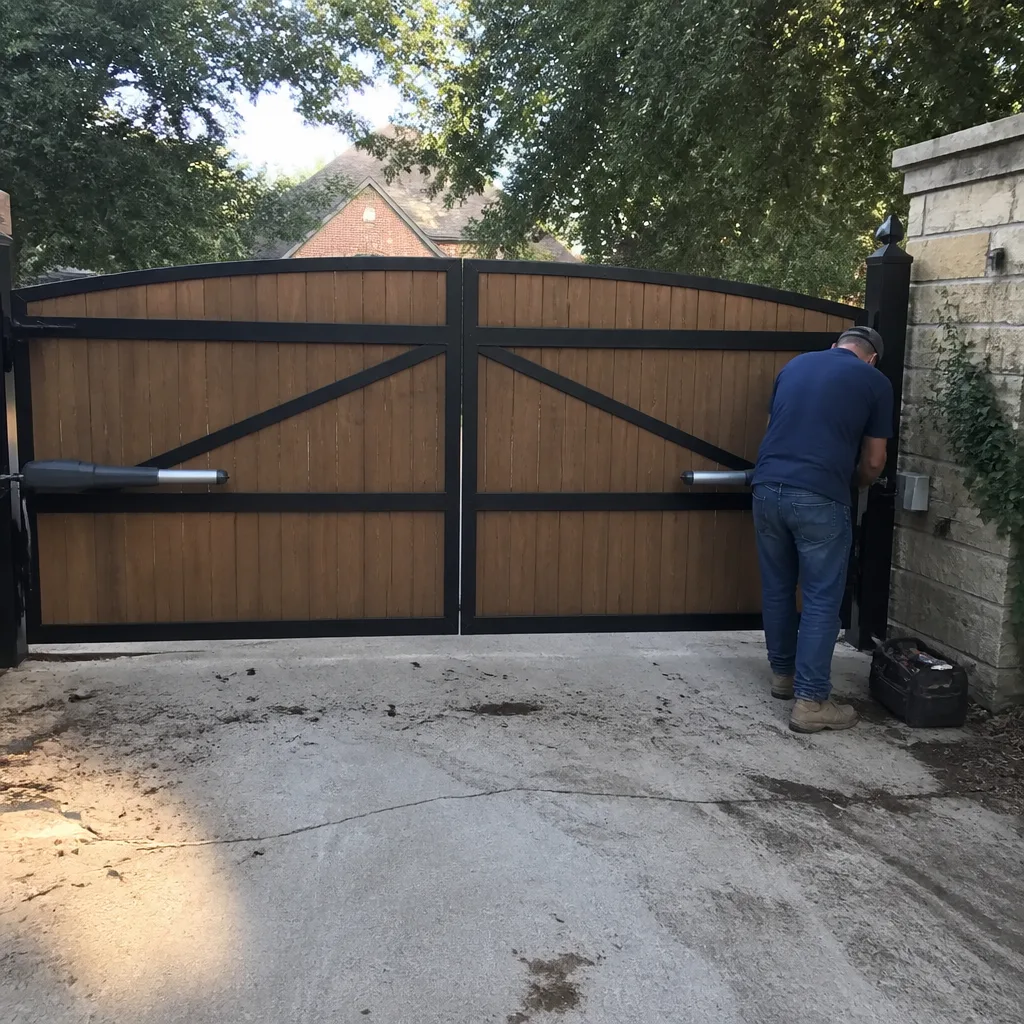 After
After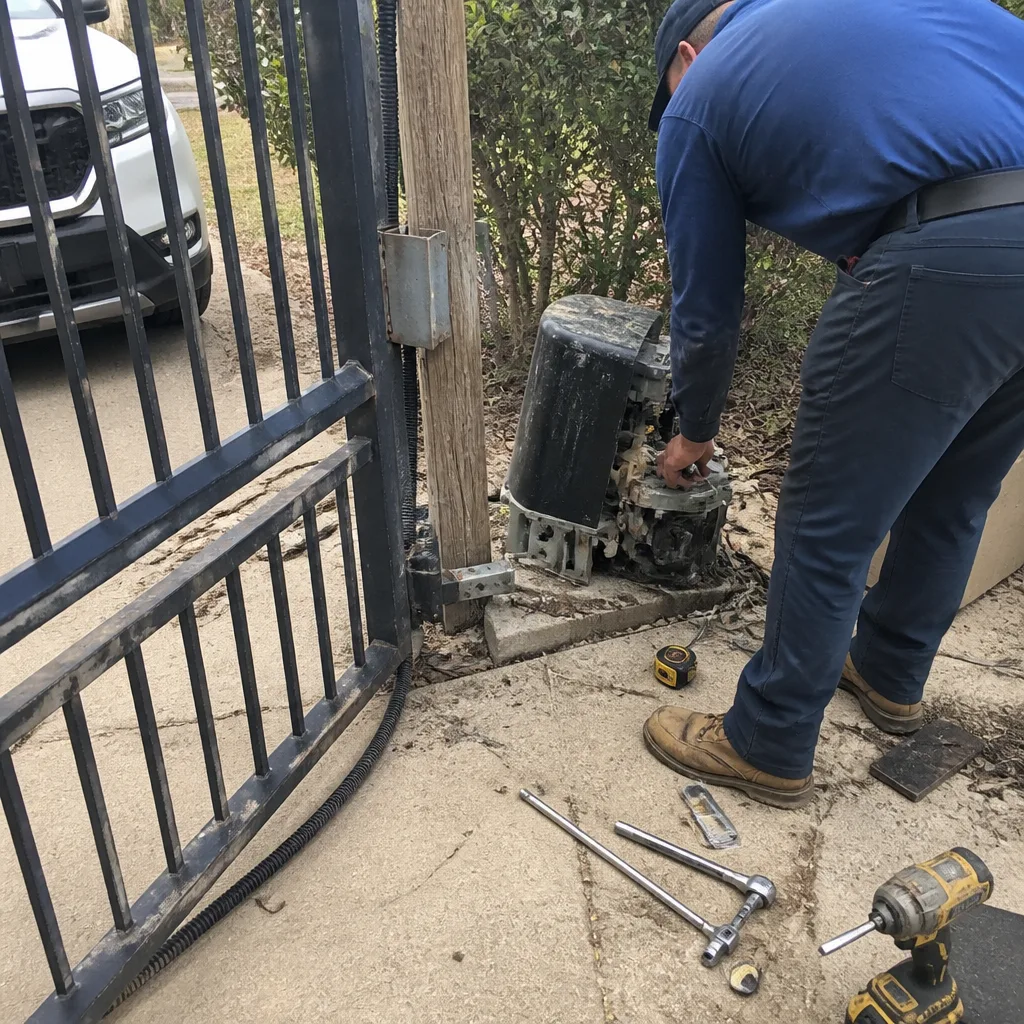 Before
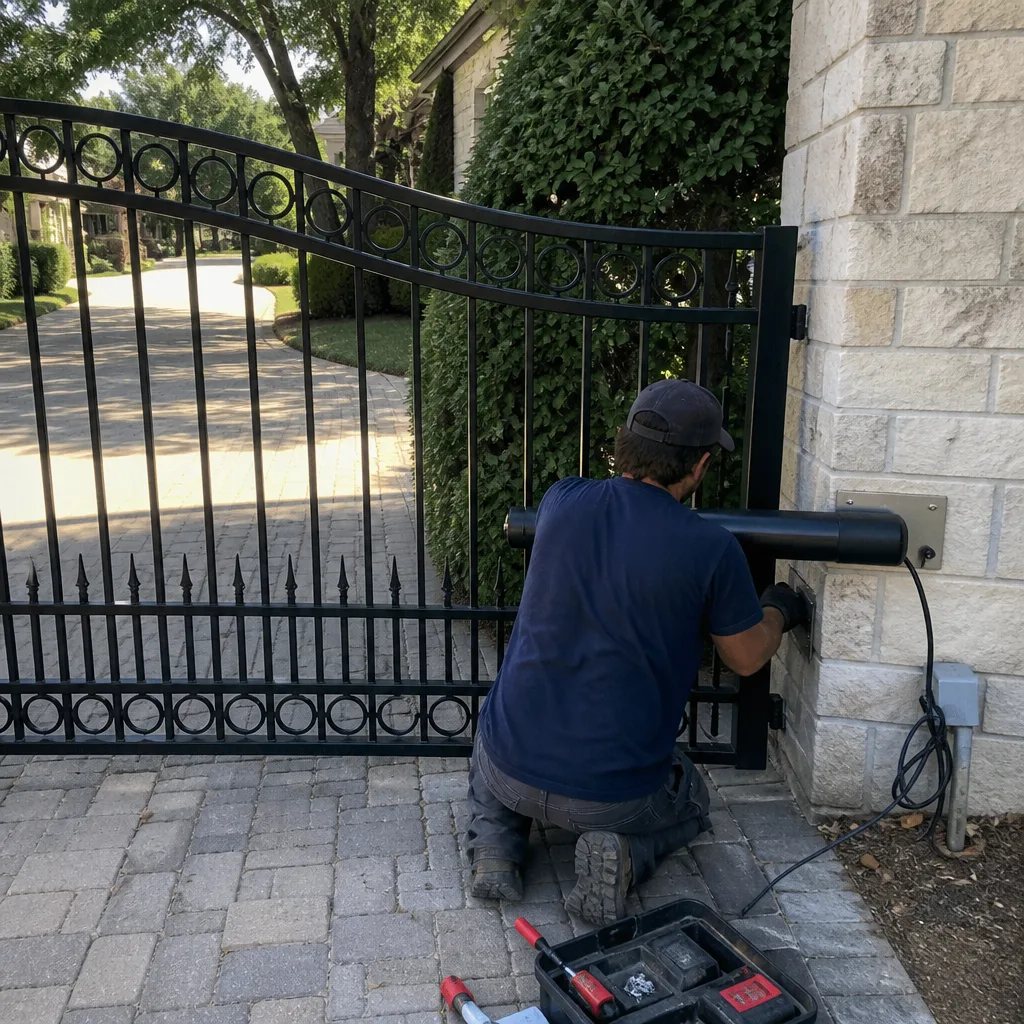 After
After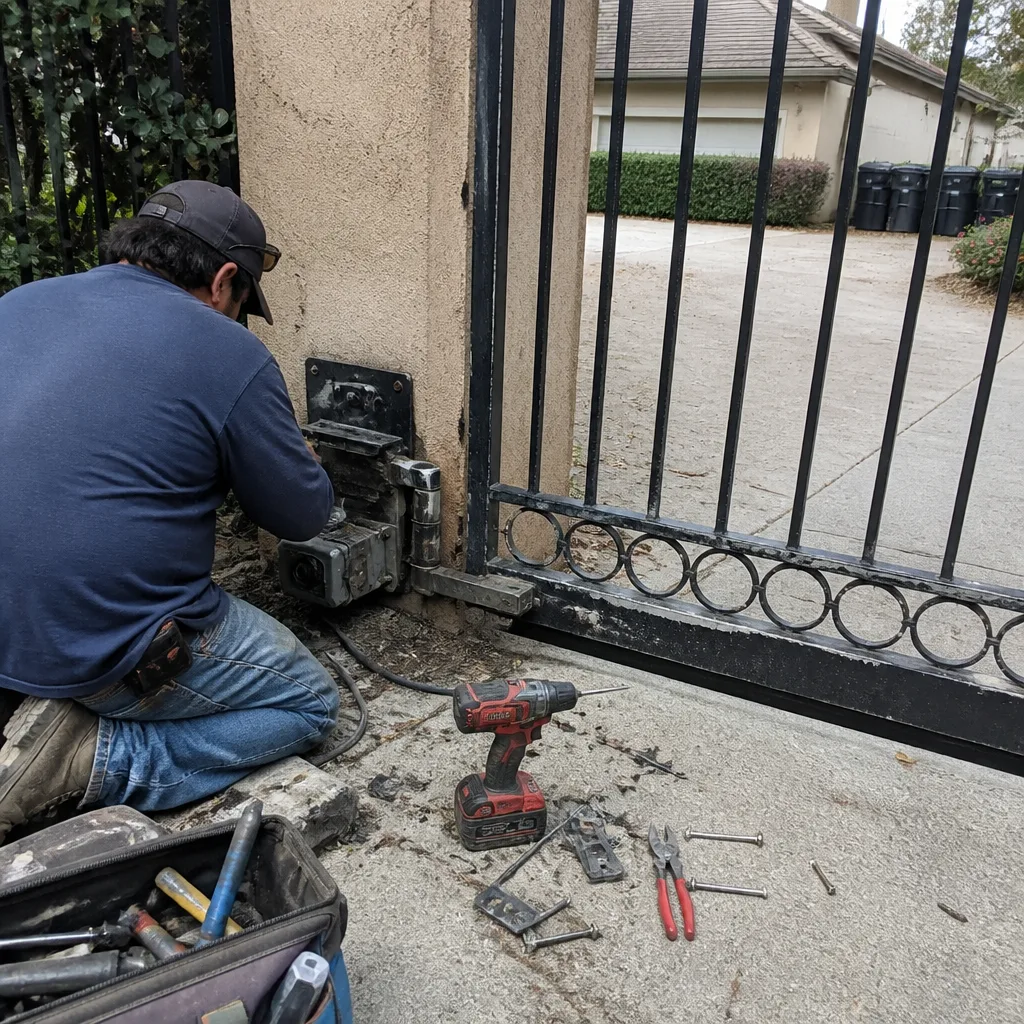 Before
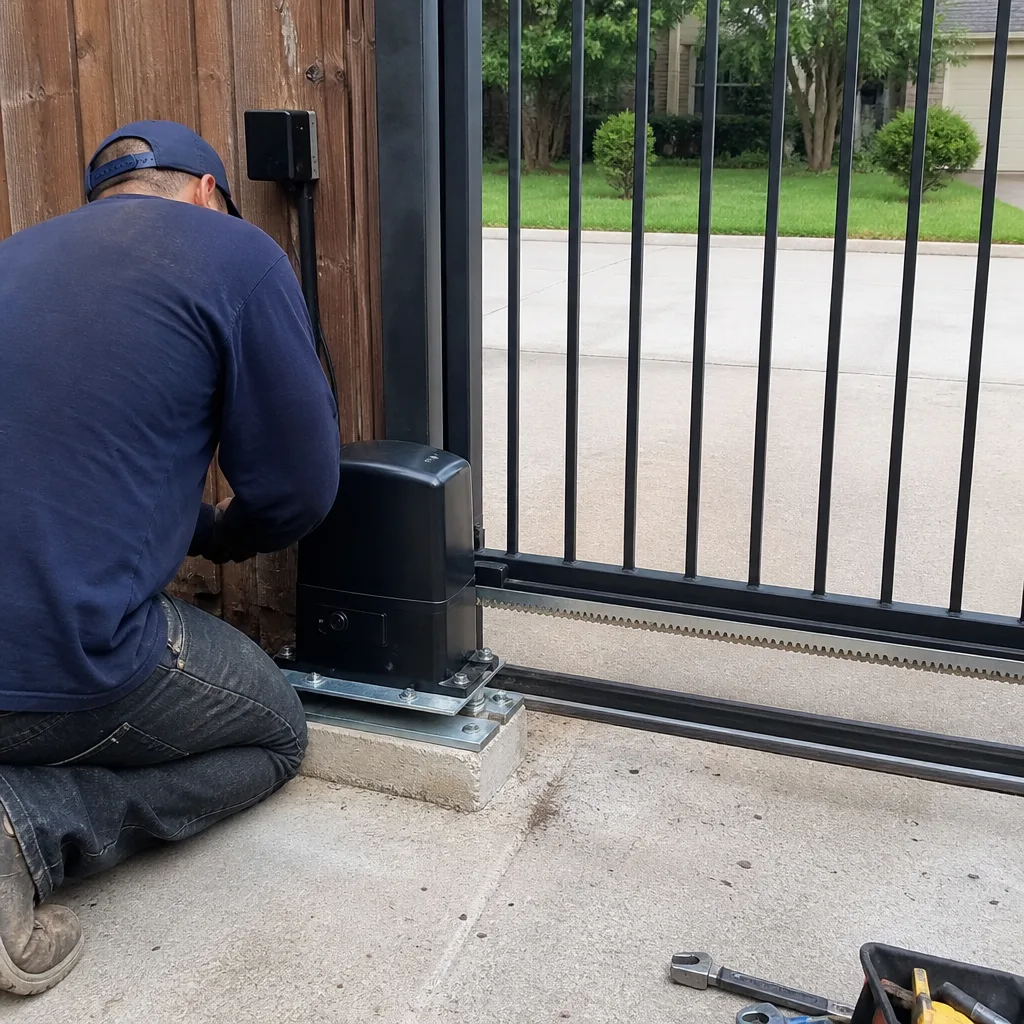 After
AfterThe Complete Guide to Gate Repair in Fort Worth
The gate company that came out last spring probably fixed the symptom and left the cause. That’s why you’re searching again right now. We see it every week in Fort Worth: a gate that was “repaired” in March is sagging by August, the opener that got “serviced” is grinding by October, and the homeowner is out another few hundred dollars with nothing to show for it. This guide - along with our DIY vs Professional Gate Repair: The Fort Worth Homeowner’s Decision Guide - tells you what actually goes wrong with gates in Fort Worth, what a legitimate fix looks like, and how to spot the difference before you write the check.
Quick Answer
Gate repair in Fort Worth typically runs $150 to $850 depending on whether you’re dealing with a hinge, a sagging frame, or a failed opener motor, and most genuine structural repairs trace back to three root causes: soil movement under the posts, water intrusion into the frame, or a gate that was hung wrong in the first place. If the repair quote doesn’t address at least one of those three causes, you’re paying for a band-aid that’ll fail within a year. At Gatewood Fence & Gate home, we’ve been fixing gates in Fort Worth since 2001, and we weld on site so the gate never leaves your driveway.
Table of Contents
- The Three Root Causes Behind Most Fort Worth Gate Failures
- Why Fort Worth Clay Soil Is Harder on Gates Than People Realize
- Structural Repair vs. Cosmetic Patch: What Each Actually Looks Like
- Repair Realities by Gate Type: Wrought Iron, Wood, Chain Link, Aluminum
- What On-Site Welding Can Fix That a Replacement Quote Skips Over
- How to Read a Gate Repair Estimate Line by Line
- Common Mistakes to Avoid
- When to Call a Professional
- Frequently Asked Questions
- The Bottom Line
The Three Root Causes Behind Most Fort Worth Gate Failures
After more than two decades of gate repair in Fort Worth, the pattern is hard to ignore. Almost every gate that shows up on our schedule with a “sudden” failure has been failing slowly for months, and the failure almost always starts in one of three places: the posts, the hinges, or the opener’s relationship to the gate’s weight. Homeowners chase symptoms like a sagging panel or a noisy motor, but the cause is usually underneath or behind what they can see.
1. The Posts Were Never Set for Fort Worth Conditions
A gate is only as good as what’s holding it. In Fort Worth, the post footings endure dramatic soil expansion and contraction through the year, and any footing that was undersized, shallow, or poured without accounting for our clay will shift. When the post moves, the gate follows: it sags, it drags, it binds against the latch, and the opener starts working twice as hard. A gate sags in the hinge post, not in the middle, and that is where we start.
2. Hinges Were Undersized or Installed Without a Structural Connection
The hinge carries the entire weight of the gate every time it opens and closes. Wrought iron and steel gates are heavy, and when a hinge is welded to the face of a post instead of through-bolted or properly wrapped, it eventually tears out. The same happens with wood gates when the hinge screws are too short or the wood around them has rotted. Replacing a hinge without addressing why it failed is the most common repeat repair we see in Fort Worth.
3. The Opener Was Never Matched to the Gate It’s Moving
An opener that’s too small for the gate burns out early. An opener that’s too big slams the gate and stresses the frame. And an opener that was installed before the gate sagged is now dragging a heavier load than it was built for. When we’re called out for a dead motor, the first question isn’t “what’s wrong with the motor” - it’s “what changed about the gate.” In our experience, about half of all opener failures in Fort Worth are actually gate failures that the opener is reporting first.
Why Fort Worth Clay Soil Is Harder on Gates Than People Realize
Fort Worth sits on expansive clay that swells when it’s wet and shrinks when it’s dry, and it does both aggressively. A post set in that soil is sitting on ground that moves underneath it all year. The movement isn’t dramatic from one day to the next, but over twelve months it can push a post a quarter inch out of plumb - which at the latch end of an eight-foot gate becomes an inch and a half of sag.
In sandy or rocky ground, a properly poured footing stays put. In Fort Worth clay, a footing that doesn’t go deep enough or wide enough becomes a pivot point. The post doesn’t just lean; it works back and forth with every rain and drought cycle, loosening the concrete around it. That’s why we see so many Fort Worth gates that were “fine for years” suddenly dragging. They weren’t suddenly anything. They were slowly moving, and the day they stopped latching was just the day the accumulated movement crossed the line.
This matters for what a real repair looks like. If your gate is sagging because the post has shifted, the fix is to reset that post - dig it out, re-pour the footing deeper and wider, brace it while it sets - and then re-hang the gate. If someone comes out and just cranks a new hinge on the old post, you’ll be calling again. Fix the panel without the post and you’ll fix it twice.
Structural Repair vs. Cosmetic Patch: What Each Actually Looks Like
The difference between a structural repair and a cosmetic patch is the difference between fixing the foundation and touching up the paint. Both have their place. The problem is when you’re quoted for the foundation and get the paint, or when the company skips the foundation entirely because it’s harder to sell or harder to do. Here’s what each looks like in practice, broken down by what most Fort Worth gates are made of.
Wrought Iron and Steel
A structural repair on wrought iron addresses the frame: a cracked weld at a stress point, a broken picket that’s no longer transferring load, a post that’s moved out of plumb, or a gate that’s been re-hung to correct sag. On-site welding is how you fix these properly - the crack gets ground out, re-welded, and reinforced, not just tacked over. A cosmetic patch on iron is painting over rust without treating it, welding a brace over a crack without grinding it first, or spraying lubricant on a hinge that’s already wallowed out.
Wood
A structural repair on a wood gate replaces the rot - the bottom rail that’s been wicking moisture from the ground, the hinge-side stile that’s split behind the screws, the post that’s rotted below grade. A cosmetic patch is filling rot with wood filler, driving longer screws into the same spongy wood, or re-hanging a gate on a post that’s only solid above the dirt line. In Fort Worth’s humidity and rain cycles, untreated rot spreads fast. We’ve pulled apart gates that looked okay from the driveway and found the entire bottom third gone inside.
Chain Link
Chain link is forgiving, but not indestructible. A structural repair on chain link is setting a leaning post, re-stretching a sagging section, or replacing a top rail that’s bowed. A cosmetic patch is wiring the gate to the post to “hold it for now” or tightening a band that’s already rusted through. Chain link repairs are usually the most affordable on this list, which makes it tempting to keep patching. But the post that’s leaning today is the post that’s on the ground after the next big storm.
Aluminum
Aluminum doesn’t rust the way steel does, but it cracks and fatigues, especially at hinge points and corners. A structural repair on aluminum involves either re-welding (for weldable grades) or replacing the fatigued section and re-fastening it properly. A cosmetic patch is drilling a stop-crack hole and calling it fixed, or tightening a hinge that’s already pulling out of a cracked frame. Aluminum gates are lighter, which means the structural issues usually show up at the hinge and latch before anywhere else.
Repair Realities by Gate Type: What to Expect in Fort Worth
Every gate type has its own failure pattern, and knowing yours before you call a repair company changes the conversation. You’ll know whether the diagnosis makes sense, and you’ll know whether the quote is fair. Here’s what we’ve learned from repairing thousands of gates across Fort Worth:
Driveway Swing Gates
These are typically steel or ornamental iron, and they’re the heaviest gates on most properties. The two most common failures are hinge tear-out at the post and opener burnout from running a heavy gate that’s slowly sagging. A real driveway gate repair addresses the post first, then the hinge, then the opener’s load. If someone wants to sell you a new opener without asking about your posts, walk away.
Sliding Gates
Sliding gates fail at the track more than anywhere else. Fort Worth dust and debris clog rollers, the track bends under wheel pressure, and the gate starts dragging. The repair is usually a matter of cleaning and replacing rollers, repairing or replacing the track section, and checking the catch posts. A sliding gate that’s fighting its track will kill an opener motor faster than anything else we see. This is a classic case where the opener is the victim, not the culprit.
Pedestrian Yard Gates
Pedestrian gates are the ones people touch every day, and they’re also the ones most likely to be installed incorrectly in the first place. A yard gate that drags at the latch usually has a post that’s moved or hinges that were never sized for the gate’s weight. In Fort Worth’s clay, a pedestrian gate post set two feet deep will move. We set them deeper and wider for exactly that reason.
Cantilever and Rolling Gates
Cantilever gates roll on a track but don’t ride on a ground wheel, so they’re quieter and handle rough ground better. What they don’t handle well is wind load. A tall cantilever gate in a Fort Worth spring storm is catching a lot of force, and that force goes straight into the post footing. The repair is usually a footing issue, not a track issue, and it’s easy to misdiagnose if you’re not looking at the foundation.
What On-Site Welding Can Fix That a Replacement Quote Skips Over
Here’s the thing most gate companies won’t tell you: a lot of what gets quoted as “full replacement” is actually a thirty-minute weld. And we’re not talking about a temporary patch - we’re talking about a repair that’s as strong as the original, done in your driveway, without the gate ever leaving the property.
On-site welding fixes cracked frames, broken pickets, torn hinge mounts, and gate frames that have separated at the corner joints. It fixes a gate that a previous installer “repaired” by bolting on a brace instead of actually welding the crack. It fixes gate frames that were never welded correctly in the first place. When we roll up to a Fort Worth home and the gate is lying in the yard because a weld popped, the homeowner usually braces for a replacement pitch. Most of the time, we can have it welded, re-hung, and swinging right that afternoon.
The convenience is real: no hauling the gate away, no waiting two weeks for a shop to call back, no paying freight and shop labor on top of the repair. The gate stays in your driveway, and when we’re done, you can stand right there and swing it yourself. If it’s not right, I’m still standing there. That’s the kind of accountability you don’t get from a company that loads your gate on a trailer and drives off.
This is also where the philosophy difference shows up. A company that installs gates all day and does repairs as an afterthought will quote a replacement because it’s cleaner for them. A company that’s been welding gates for two decades - like ours - will tell you the truth: most gates don’t need to be replaced, they need to be repaired by someone who actually wants to repair them. That’s the Gate Repair in Fort Worth service we built our name on.
How to Read a Gate Repair Estimate Line by Line
An estimate is either a map of the job or a fog machine. The difference is in the line items. When you get a written quote for Gate Repair services in Fort Worth, here’s what to look for, line by line, and what the vague language is usually hiding.
- “Labor - gate repair” with no further detail. This is the biggest red flag on any estimate. What is the labor actually doing? Which post? Which hinge? What’s the scope? If the line doesn’t tell you what they’re fixing, you can’t hold them to anything when it doesn’t work. Ask for a breakdown. A straight answer is a good sign; a defensive one isn’t.
- “Parts” with no brand or specification. A hinge is not a hinge. A replacement opener should say Mighty Mule or LiftMaster or FAAC or BFT on the line item. If it just says “opener,” you might be getting whatever was cheapest at the supply house last month. We name the part and the manufacturer on every quote.
- Charges you didn’t ask for and can’t verify. Trip charges, fuel surcharges, “shop fees” on a gate that never left your property - these add up fast. A legitimate Fort Worth gate repair company works their overhead into their labor rate and tells you the price before they start. The price you agree to should be the price you pay, and it should be in writing before any work begins.
- A suspiciously low price. This one hurts, because nobody wants to overpay. But a $150 quote to “fix” a sagging driveway gate in Fort Worth is either a post reset that will barely last or a patch job that will fail in six months. If the price feels too good, it probably means the cause isn’t actually being addressed.
- No mention of the posts. If your gate is sagging and the estimate only covers a new hinge or a new latch, that estimate is incomplete. The cause and the repair have to match. Show me the gate closing on its own and I’ll show you where it’s failing - and it’s almost never just the latch.
- A time estimate that doesn’t match the scope. A proper post reset takes hours and needs bracing time. A proper weld repair takes burning and grinding time. If the quote says “1 hour labor” for a job that should take half a day, they’re either skipping steps or they’re going to hit you with a “revised” price when the job runs long.
Here’s the short version: a real estimate reads like a plan. It tells you what’s wrong, what they’ll do about it, what parts they’ll use, and what it costs. If the estimate is three vague lines, the work will probably be vague too.
Common Mistakes to Avoid
- Tightening or replacing the latch on a sagging gate. The latch is the canary, not the coal mine. If the gate sags, the latch will fail no matter how many times you replace it. Fix the sag, then see if the latch still needs attention.
- Letting a gate drag for “a little while longer.” Every day a gate drags is another day the opener motor is groaning under extra load. Drag that goes ignored for three months can turn a $200 hinge repair into an $800 opener replacement. The gate is telling you something. Listen before the motor chimes in.
- Spraying lubricant on a noisy hinge without checking why it’s noisy. Lubricant makes it quiet for a week and buys you time, but the wear that caused the noise is still happening. A noisy hinge is a hinge under stress, and the stress is usually a gate that’s out of plumb.
- Hiring based on the lowest price. Fort Worth is full of gate repair companies, and the cheap ones stay in business because people call them twice. The first call is the repair, the second call is to fix the repair. You’re not comparing prices at that point; you’re comparing headaches.
- Accepting “we don’t repair that, we replace it” without a second opinion. Some gates genuinely need replacing, and we’ll tell you straight when that’s the case. But if the first company that looked at your gate wants to sell you a whole new setup, get a second opinion before you agree. It’s not about pride; it’s about not paying for a gate you didn’t need.
- Patching a wooden gate with filler. Filler is for surface spots, not structural rot. Once the wood is soft enough to crumble, the only real fix is cutting it out and replacing the board. Filler just hides the problem until the gate falls apart.
When to Call a Professional
There are some gate issues you can handle on a Saturday with basic tools: tightening a visible loose hinge screw, clearing debris from a sliding track, adjusting a latch plate. But the moment the post starts moving, the weld starts cracking, or the opener starts struggling, you need someone who does this every day. Gates are heavy, under tension, and unforgiving when a post or a spring lets go. A driveway gate can weigh hundreds of pounds, and when it falls, it doesn’t ask permission.
Call a professional when: the post is leaning or visibly moving, the gate is sagging more than half an inch at the latch, a weld is cracked or separated, the opener is grinding, straining, or reversing on its own, or any electrical work is involved. These are not handyman jobs - they’re safety jobs. Gatewood Fence & Gate offers free estimates in Fort Worth - call (817) 241-4067 and Hal or his crew will come out, look at the gate, and tell you straight what it needs.
Frequently Asked Questions
Most gate repairs in Fort Worth fall between $150 and $850, with the final number depending on whether you’re dealing with a hinge replacement, a post reset, a weld repair, or an opener replacement. Small pedestrian gate fixes run lower, full driveway gate repairs with post work run higher. The price is quoted and agreed before any work starts, and at Gatewood Fence & Gate, a written estimate is always part of that. Call (817) 241-4067 for an exact quote - estimates are free.
For most weld repairs, hinge replacements, and latch fixes, yes - we can usually get to you the same day you call in Fort Worth. Post resets and opener replacements sometimes need to be scheduled, but we’ll tell you that on the phone. A live person answers every call, 24/7, so you’ll always know exactly when to expect us.
Yes. We service and install Mighty Mule, LiftMaster, FAAC, and BFT openers, including repairs to existing systems. If your opener is grinding, not responding, or reversing for no reason, we’ll diagnose it and tell you whether it’s the motor, the board, or the gate itself. Learn more about our Gate Motor & Opener in Fort Worth service.
Often, yes. We do free second opinions on any written estimate, and we’ve fixed plenty of Fort Worth gates that another company wanted to replace. Bring us the estimate, let us look at the gate, and we’ll tell you straight. If it genuinely needs replacing, we’ll say so. If it can be welded and re-hung, we’ll do that instead - and it’ll cost a lot less.
Ask that exact question of any company you’re considering, because the answer tells you everything. At Gatewood Fence & Gate, if the post is the cause, the post is in the estimate. We don’t quote panel work as a stand-in for the real repair. A gate sags in the hinge post, not in the middle, and that’s where we start.
Both. If your gate is beyond saving or you’re building new, we handle full Gate Installation in Fort Worth, including custom fabrication, opener installation, and access control. If you need repair, we repair. If you need new, we build new. Either way, the name on the work is the same: Gatewood Fence & Gate.
The Bottom Line
Gate repair in Fort Worth is a simple equation: find the cause, fix the cause, check your work. The cause is almost always in the posts, the hinges, or the opener’s workload, and Fort Worth’s clay soil makes all three work harder than they would elsewhere. A legitimate repair company will tell you what’s wrong, write it down, do the work in your driveway when possible, and stand behind it. A bad one will sell you a patch and disappear by the next rain. We’ve been the first kind since 2001, and the 90-Day Done Right Promise is stamped on every job - if it’s not done right, one call brings Hal back, no runaround. For more guides & resources, visit our blog.
If your gate is sagging, dragging, grinding, or not opening at all, call (817) 241-4067. You’ll talk to a live person, get a straight answer, and get a free estimate. No call center, no runaround, and no price changes at the door. The name is on the shop, and the shop is down the road - that’s the oldest accountability there is.
Written by Hal Gatewood, Owner at Gatewood Fence & Gate, serving Fort Worth since 2001.