
Free on-site gate assessment - hinges, posts, and your LiftMaster or Nice gate operator checked before anything is quoted
The assessment is free and the quote is the invoice.
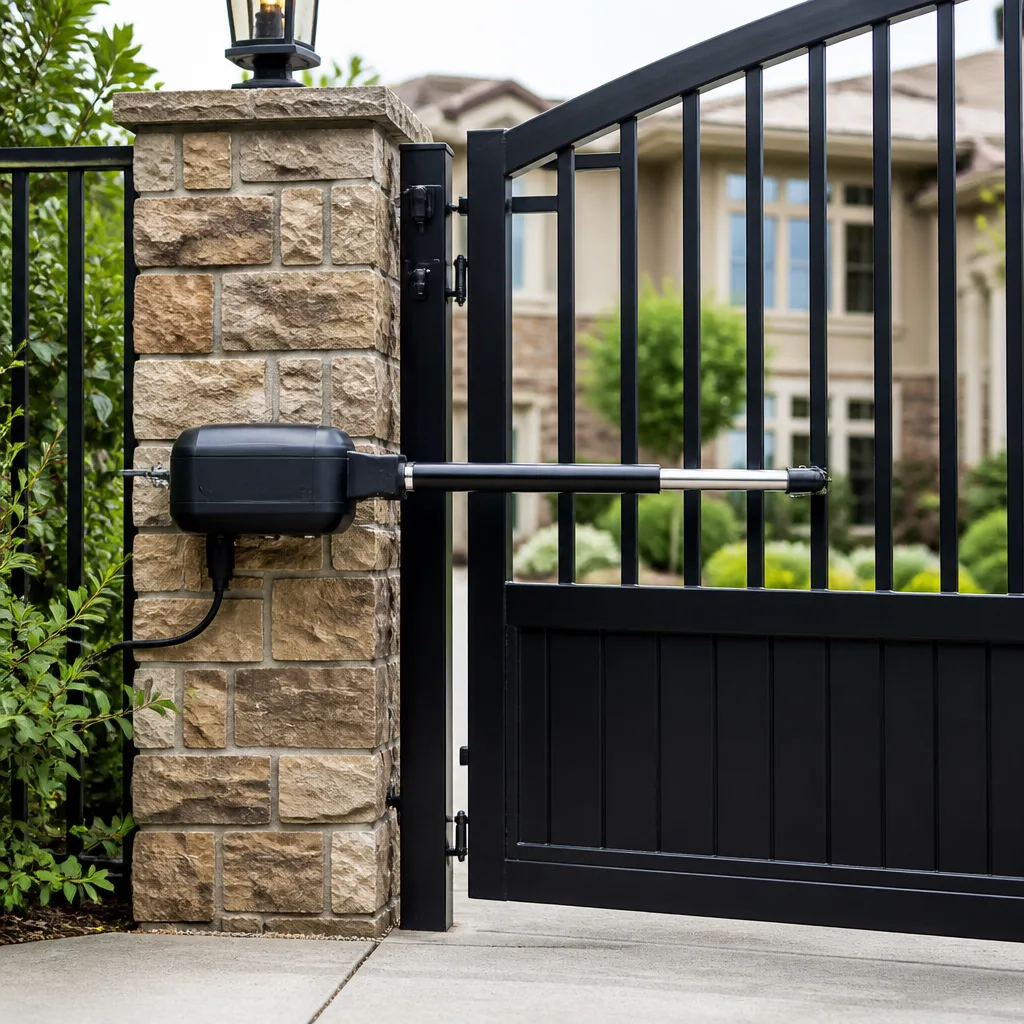
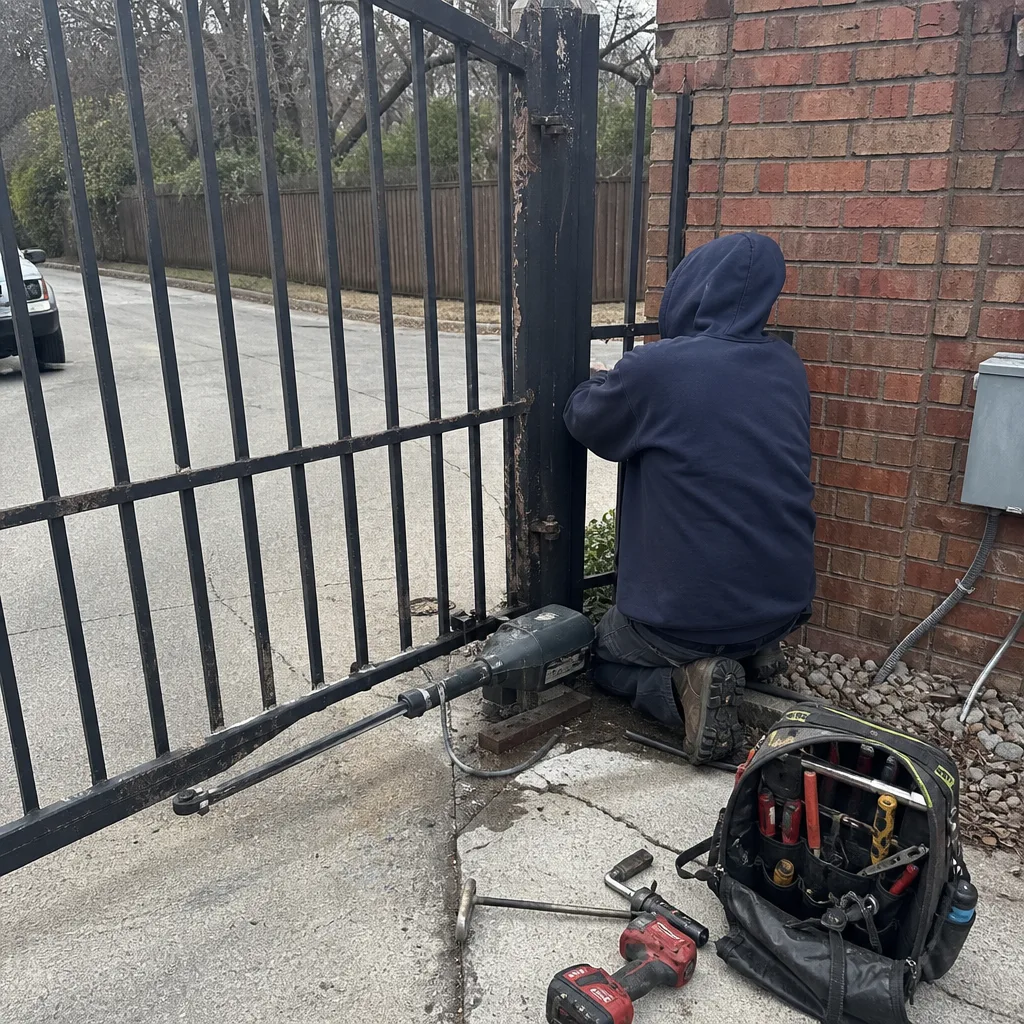 Before
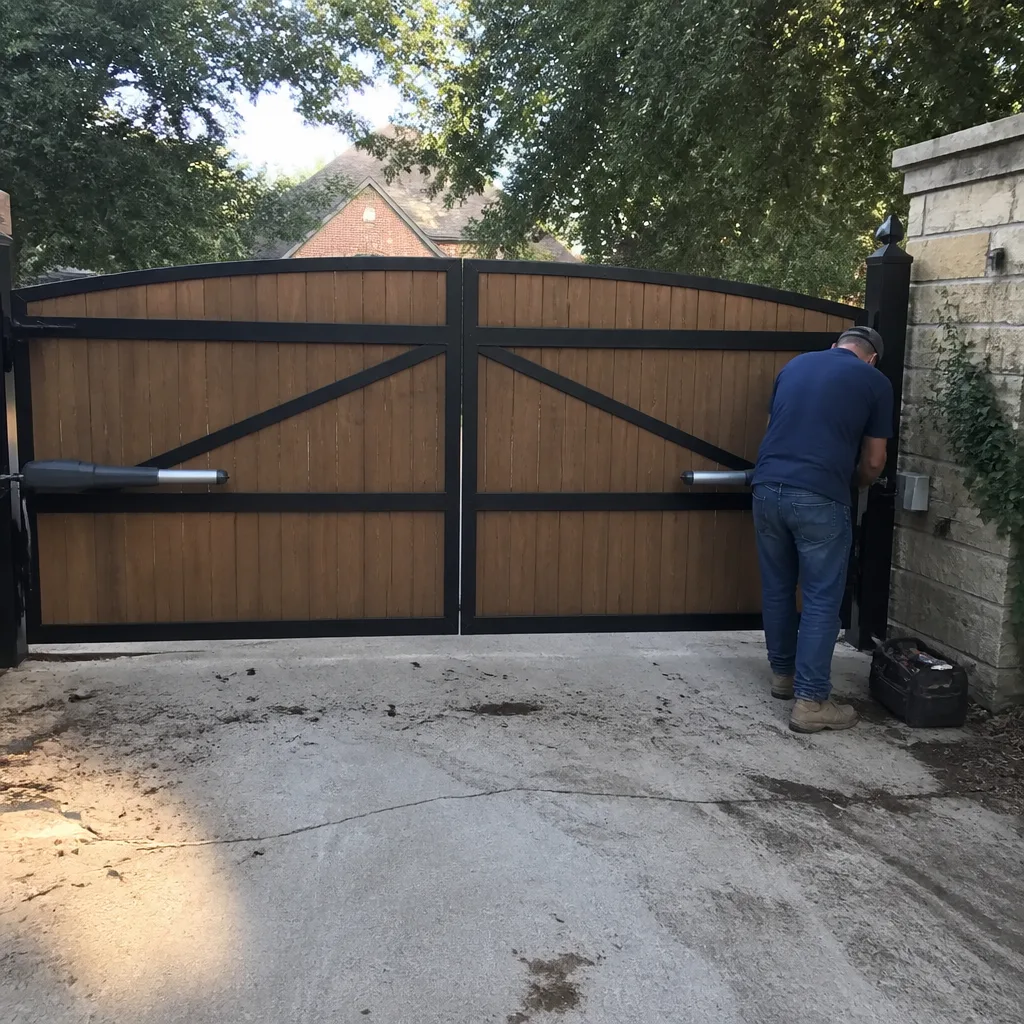 After
After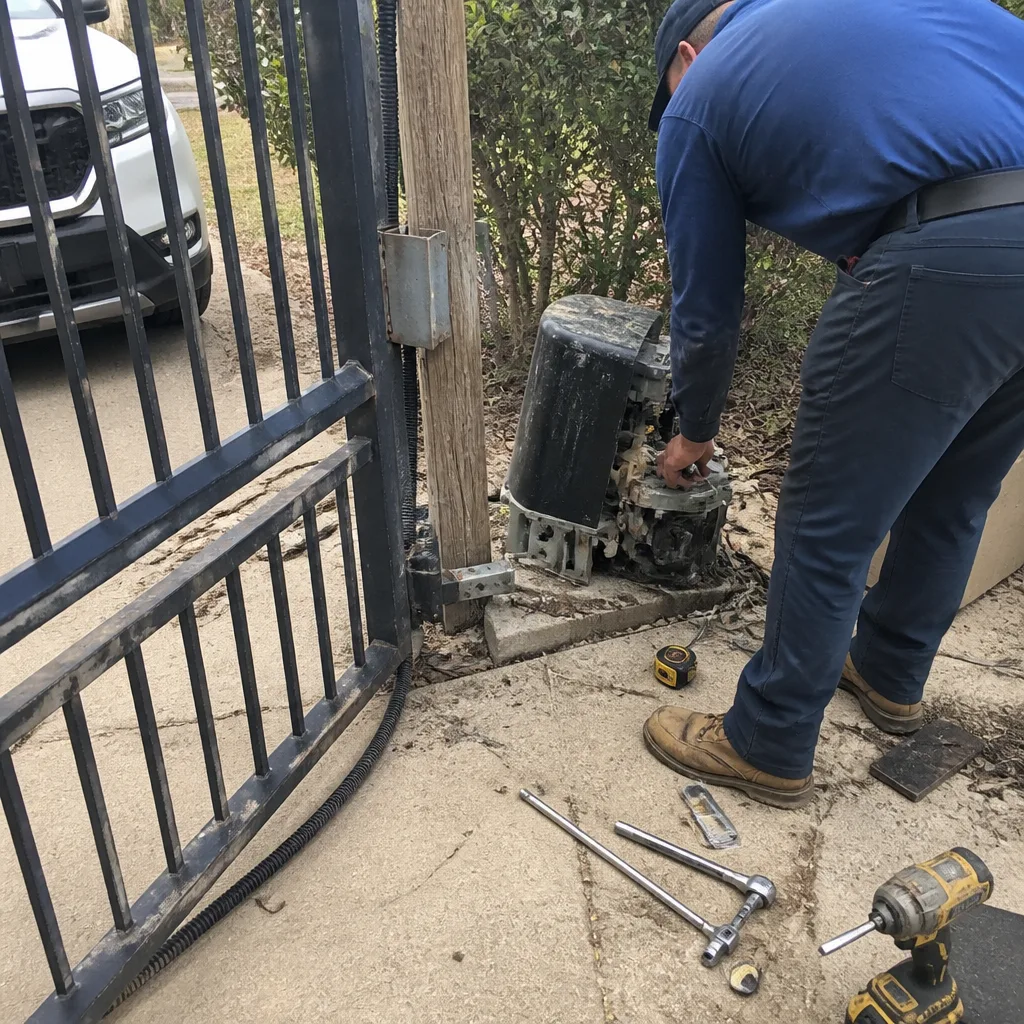 Before
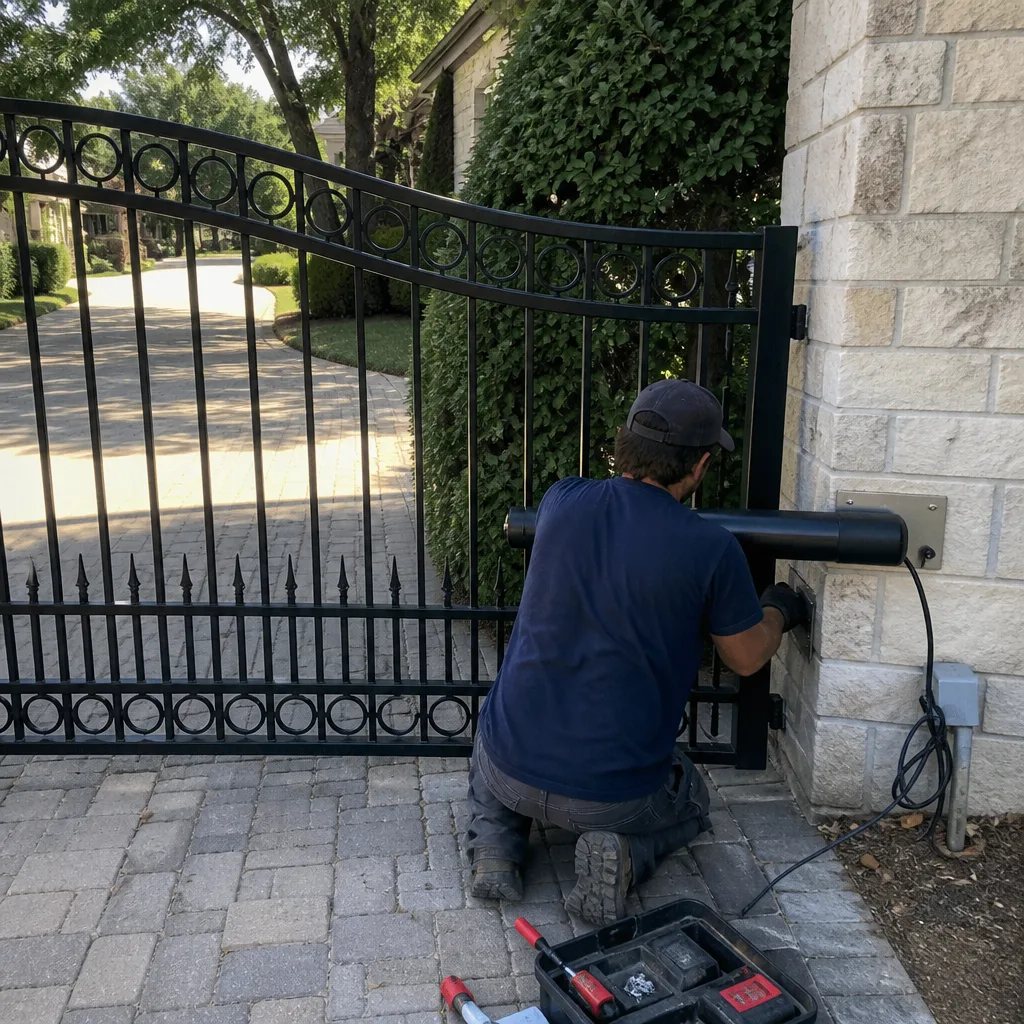 After
After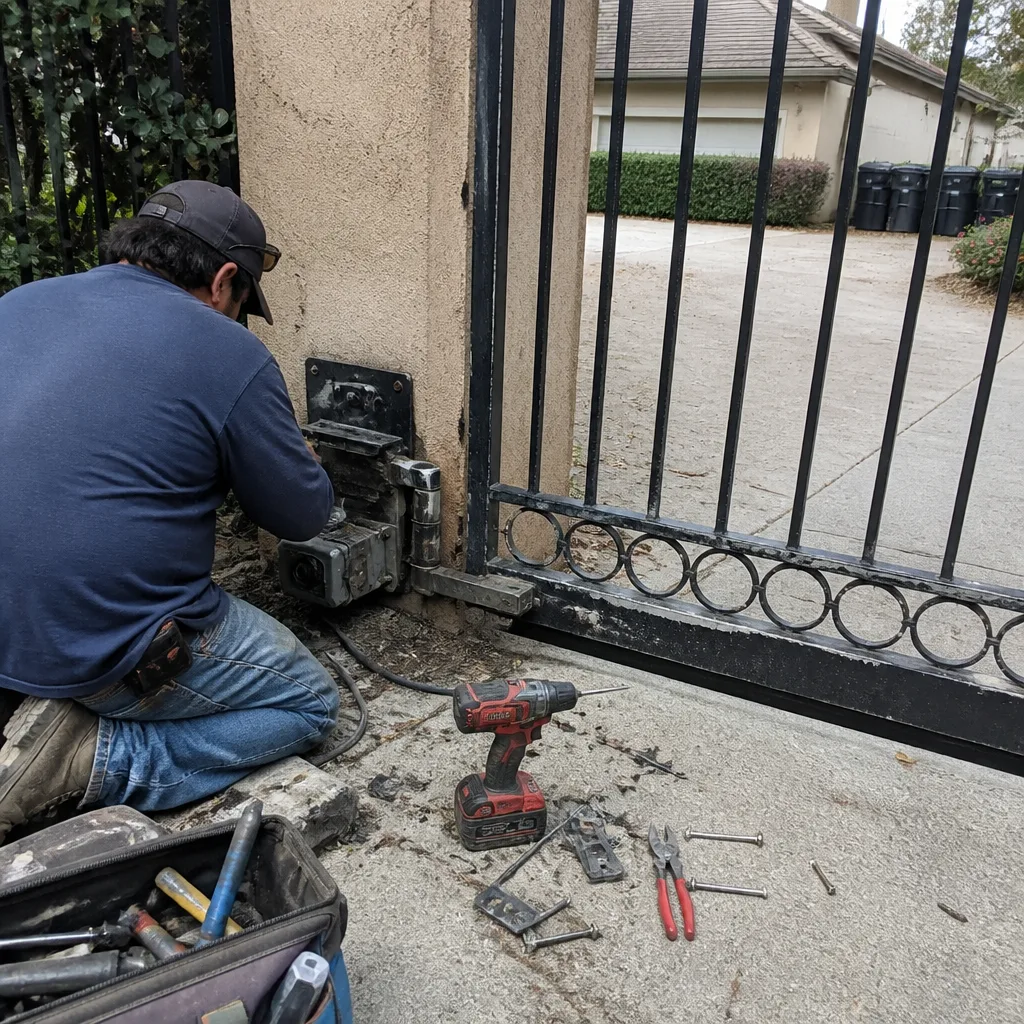 Before
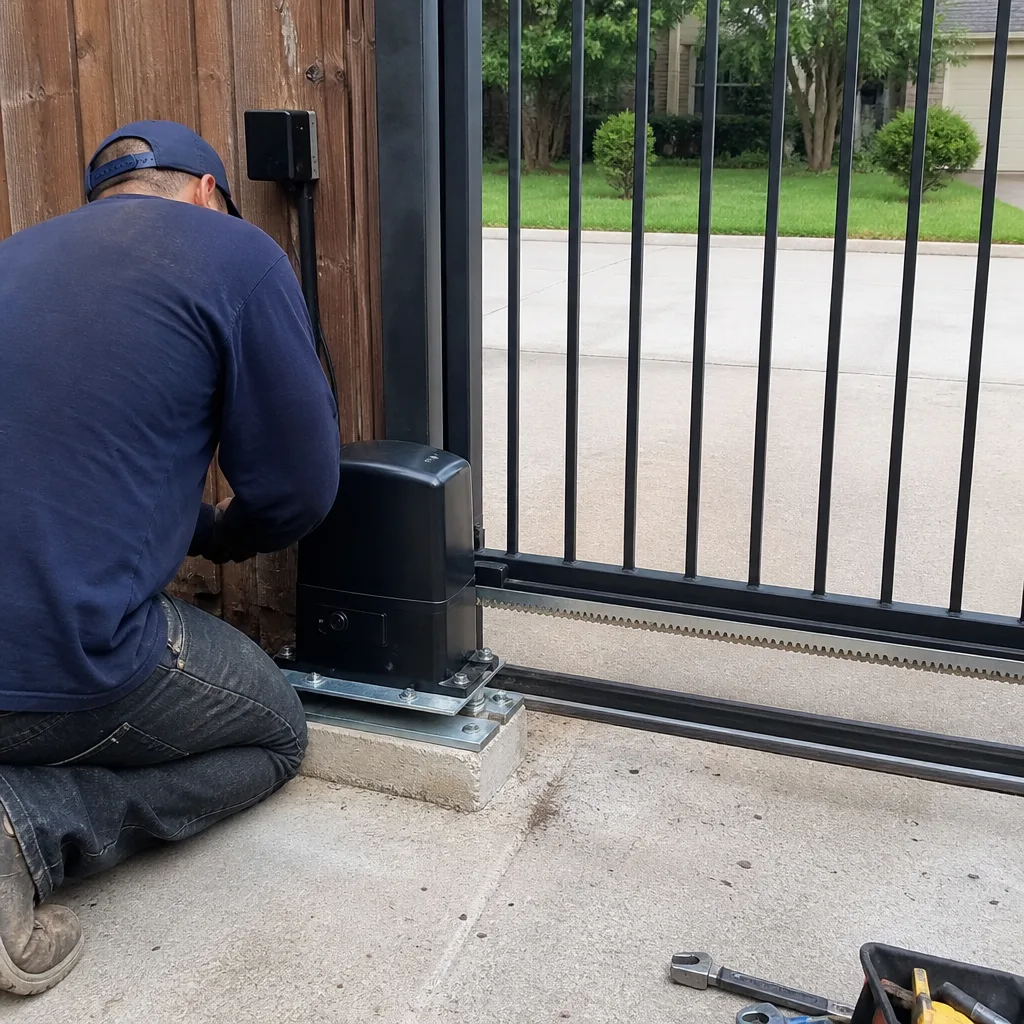 After
AfterGhost Controls Gate Motor Replacement: The Fort Worth Owner’s Guide
We stock and install Ghost Controls-compatible gate motor replacements throughout Fort Worth, with most swaps running between $425 and $780 installed, depending on your model and opener type. If your motor is on our truck, we can usually have it turning again the same day we look at it. Most folks find us the same way: the gate worked yesterday, today it hums for two seconds and quits, or it just sits there dead with the control board still lit up.
Ghost Controls builds a solid opener, but the motor itself is a wear item. Texas sun and heat do not do it any favors, and once that motor starts pulling too many amps, the board usually shuts the system down to protect itself. You hear the click, maybe a short buzz, and then nothing.
Which Ghost Controls Models This Applies To
Ghost Controls runs three main residential lines: the R Series, the A Series (axle drive), and the TSS Series (torque-sensing soft start). Each uses a different motor configuration, and the part is not interchangeable across lines. The R Series uses a standard 12V DC motor with a belt-driven actuator head. The A Series mounts the motor directly on the gate axle, so the replacement is an integrated motor and gearset assembly. The TSS Series runs a larger motor with a different mounting bracket and output spline.
The fastest way to identify what you have is to open the back cover and read the model label. It will say something like R.4.2, A.3.0, or TSS1. The motor itself usually has a separate part code stamped on the housing: RPM-24, APM-12, or TSSM-1. If the label is sun-faded or gone, measure the motor body. The R Series motor is roughly 3.25 inches in diameter and 5 inches long. The TSS motor is visibly larger, about 4 inches across. Ghost Controls changed motor suppliers around 2019, so older units from before that run a different shaft length on the pinion gear. We keep both versions on the truck because this exact mismatch is the most common reason a new motor won’t seat properly. Order one by model number alone and you have a fifty-fifty chance of getting the wrong pinion depth.
On OEM versus aftermarket: for Ghost Controls specifically, we install OEM motors in most cases. The aftermarket equivalents for this brand are hit or miss on winding quality, and a motor that draws a half-amp too many will trip the board’s overload circuit and strand you with an intermittent dead gate. On some older R Series units where OEM motors are backordered, we’ll use a specific aftermarket motor we’ve tested and stand behind with the same 90-Day Done Right Promise. You’ll know which one you’re getting before we start, and the price is quoted and agreed before any work begins.
We’re an independent repair company, not a Ghost Controls dealer or affiliate. That means we stock what actually fails, not just what’s current in a catalog.
Signs Your Ghost Controls Gate Motor Replacement Is Failing
- The gate starts, then reverses or stops a few feet in. The motor is drawing more current than the board allows, usually because the internal brushes are worn or the armature is developing a dead spot. The board sees the spike, thinks the gate hit something, and reverses.
- You hear a loud hum or buzz for two to four seconds, then a relay click and silence. The motor is stalled. In Fort Worth, this often follows a season of the gate binding slightly against a post that has settled, which overloaded the motor gradually until it gave out.
- The gate moves noticeably slower than it did six months ago, even after battery replacement. Reduced motor torque is almost always the culprit. If the opener is on solar or a battery that’s aging, the board may also be limiting power, but a slow gate with a healthy battery points directly at the motor.
- The motor runs but the gate doesn’t move, or you hear grinding from the actuator head. The pinion gear on the motor shaft has stripped, or the internal coupling between motor and gearset has failed. This one fools a lot of people into thinking the whole operator needs replacing when it’s really just the motor assembly.
- Works fine in cool weather, dead or weak in summer afternoons. Motor windings break down faster in North Texas heat. As the temperature climbs, resistance goes up inside the motor, and the board’s thermal protection trips. This is the classic early sign that a Ghost Controls motor is on its way out, and we see it all over Fort Worth from late May through September.
Replacement Cost & What’s Included
Here in Fort Worth, a Ghost Controls gate motor replacement typically runs $425 to $780 installed, with most jobs landing between $500 and $650. The R Series motor runs on the lower end. A Series axle-drive replacements are higher because the gearset and motor are one assembly and the whole unit has to come off the gate. TSS Series motors sit in the middle to upper range.
That price includes the motor itself, the trip to your gate, removal of the old unit, installation and alignment of the new one, adjustment of the travel limits, and testing through at least a full open-close cycle. We do not give you a parts-only price and then surprise you with labor at the end. The number we quote before we start is the number on the invoice. No trip charge inside the county, and every job carries the 90-Day Done Right Promise in writing. If something is not right, one call brings Hal Gatewood back.
DIY or Call Us?
The honest answer: swapping a Ghost Controls motor yourself is possible on some R Series units, but it goes sideways fast on three specific points. First, the pinion shaft depth I mentioned earlier: get it wrong and you’ll strip the new gear in a week. Second, the motor wires route past a limit switch assembly that is easy to pinch, which shorts the board and turns a $500 motor job into a $700 motor-plus-board job. Third, and this is the one most people don’t expect: if the gate is even slightly out of balance or the hinge post has shifted, a new motor will burn out the same way the old one did. We check gate balance before we install, because a motor on a binding gate is a motor you’ll buy twice.
The motor itself is low-voltage DC, so it won’t shock you. But the opener’s capacitor bank can hold a charge even with the power off, and the gate itself weighs hundreds of pounds. If you want to tackle it yourself, I’ll tell you honestly whether your model is one of the easier ones. But if you’d rather have it done once and done right, call (817) 241-4067 and we will have it turning the same day in most cases.
FAQs
Realistically, four to seven years on a gate that gets cycled four to six times a day in Fort Worth heat. The motor brushes and windings degrade faster here than in milder climates, and units that sit in full afternoon sun with a dark metal housing cover run hotter and die sooner.
Usually not in a way that saves money. The brush assembly can be replaced on older R Series motors, but on most Ghost Controls motors the windings are potted, so once the armature has a dead spot the motor is done. For the price difference, you’re better off with a new OEM motor and a fresh 90-Day Done Right Promise behind the job.
Most Ghost Controls motor swaps take 45 to 90 minutes at the gate. If we find gate balance issues during the install, add time because we will address it then rather than hand you back a gate with a new motor and an old problem.
We stock the common Ghost Controls motors on the truck, including both older and newer shaft-length versions of the R Series motor. If you have an A Series or TSS unit, the part may come from our local supply house same day or next day. Call (817) 241-4067 and tell us your model number; we can tell you right then whether it’s something we have in the truck. Give me a call - that’s my real number, and I’ll pick up.
Written by Hal Gatewood, Owner, Gatewood Fence & Gate at Gatewood Fence & Gate, serving Fort Worth and nearby areas.